From Crawdads to Crows: critters that should and critters that shouldn’t

Scientist Melanie Giangreco and museum staff will share how invasive aquatic invertebrates can impact Vermont waterways and ultimately birds.

We will start indoors, introducing some native and invasive animals, freshwater habitats, and typical birds. After discussion and observations, we will visit an upland forest pond and a typical Vermont brook. What is actually here, what could change, and how can we help? We will end with conversation and a chance to examine some animals more closely (with stereo- and microscopes).

This workshop is ideal for the curious, adventurous, and those willing to get a bit muddy.

Best for ages 10 and up; children must have an adult with them.
Suggested donation: $10 per person (includes museum admission after the program)
Max participants: 20 people
Register with the button below or call 802 434-2167.

Dress for being outdoors and near water: that means boots, ticks, mud, uneven terrain and more!


Vermont Beetles

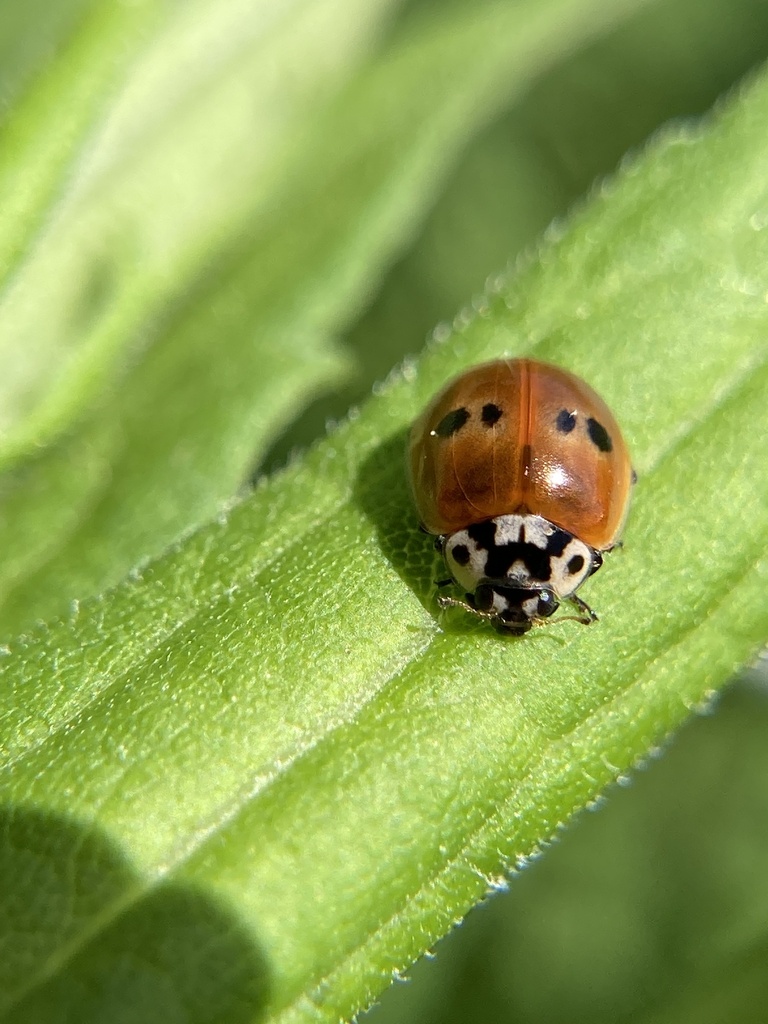
Two-spotted Lady Beetle —a small red beetle with two black spots on each wing covering—on a plant stem, facing the viewer. Photo by Julia Pupko and used with permission.

Beetles (Order: Coleoptera) are a fascinating yet vastly understudied taxonomic group. In Vermont alone, there are over 1,000 different species! Some groups provide important roles as pollinators, biological controls, decomposers, and more. Other beetles, such as the invasive Emerald Ash Borer (Agrilus planipennis) threaten the health of our ecosystems.

Join us to learn about the ecology and identification of different groups of beetles found in Vermont.


In this two hour workshop, we will spend about 45 minutes focusing on a few families, genera, and species of note. For the remaining hour and 15 minutes, we will go outside and search for beetles around the Birds of Vermont museum, identifying as we go.

About Julia Pupko (they/them):

Julia is the former coordinator of the Vermont Lady Beetle Atlas through the Vermont Atlas of Life at the Vermont Center for Ecostudies. Currently, Julia works for Vermont Forests, Parks and Recreation at the Forest Biology Lab, with a special interest on the intersection between forest health and entomology.

Additionally, Julia volunteers in a number of roles for Sosyete pou Rebwaze Duchity Haiti (SRDH) – a community-based reforestation and agroforestry organization operating in Duchity, Haiti. In their spare time, Julia enjoys painting, spending time with their birds, hiking, and (of course) searching for insects.

Images provided by Julie Pupko of Vermont Center for Ecostudies.