Northern Flicker. Carved by Bob Spear; photographed by Museum staff.
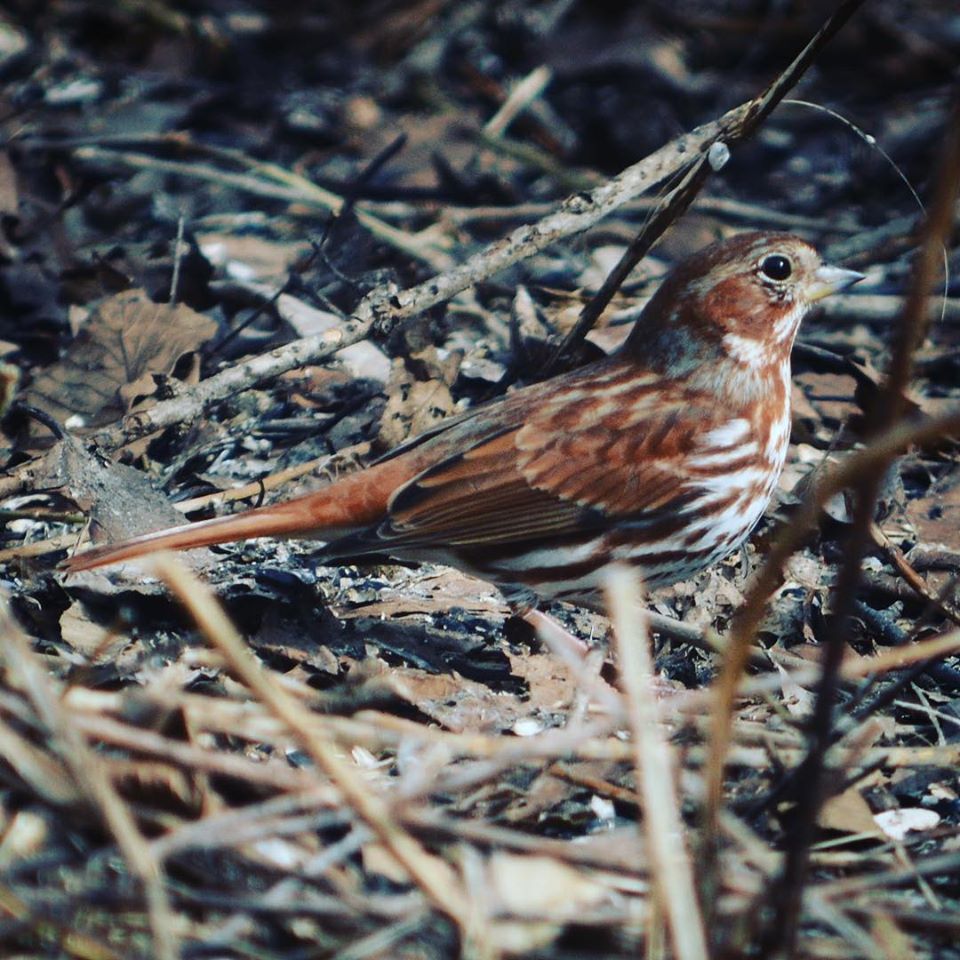
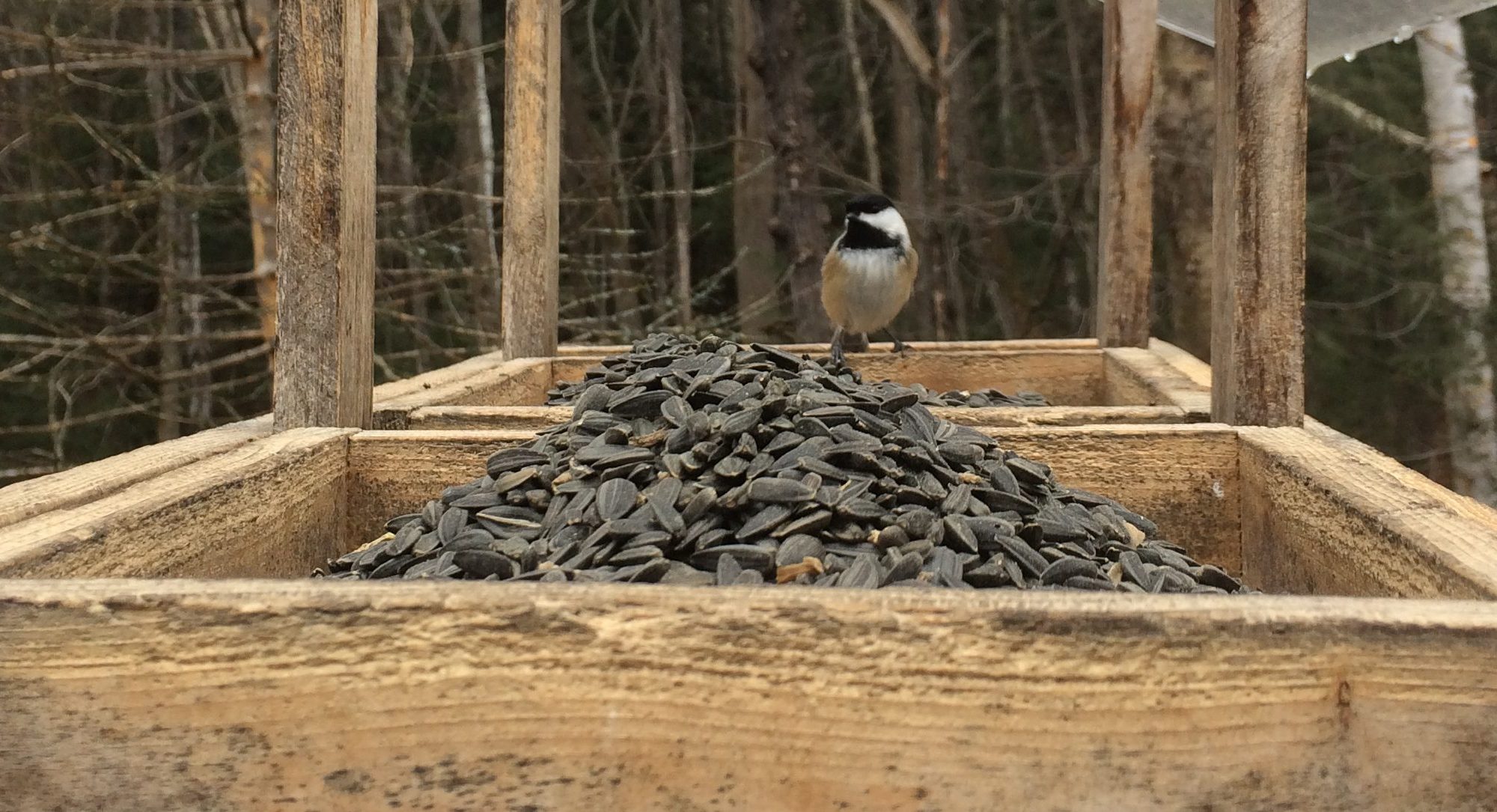
As usual, we keep track of birds seen through the window with notes on a white board by the window (see the list below). We had a couple of less-usual species sighted this month, including both year-round residents (just not usually observed from the window) and migratory species.
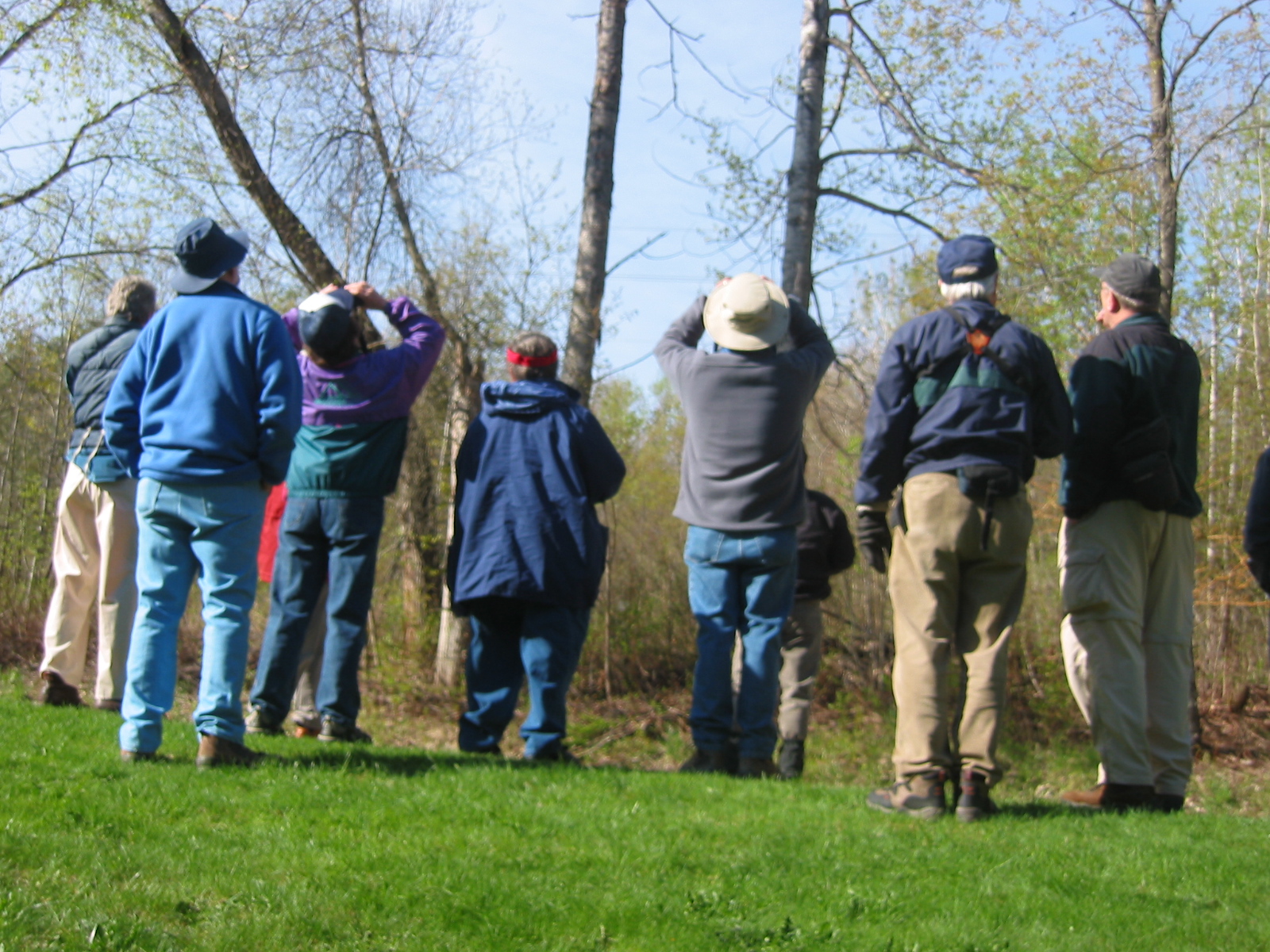
Spring mornings are terrific for birding. Join us for a walk led by experienced birders. Lachlan Ziegler will lead this week’s walk.
Who’s singing, calling, nesting, or flying around the Birds of Vermont Museum? Discover birds on an early morning ramble in the Museum’s forest and meadows. Walks are led by experienced birders familiar with Vermont birds.
Bring binoculars and good walking shoes. Early mornings are often damp with dew and boots are definitely in order. Don’t forget bug spray/tick repellent!
Park at 900 Sherman Hollow Road, in the Museum parking lot.
Free, suggested donation: $10
Please register by calling the museum at 802 434-2167.
Max: 12 people
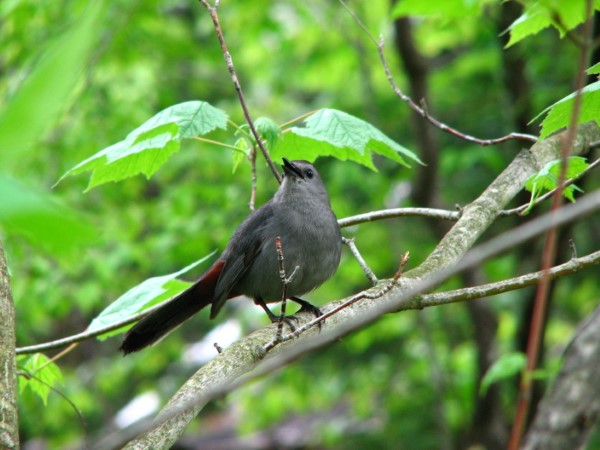
The photo of the catbird is copyright (c) J. Comeau and used by permission.
Spring mornings are terrific for birding. Join us for a walk led by experienced birders. Expert bird guide Tom Jiamachello leads this week’s walk.
Who’s singing, calling, nesting, or flying around the Birds of Vermont Museum? Discover birds on an early morning ramble in the Museum’s forest and meadows. Walks are led by experienced birders familiar with Vermont birds.
Bring binoculars and good walking shoes. Early mornings are often damp with dew and boots are definitely in order. Don’t forget bug spray/tick repellent!
Park at 900 Sherman Hollow Road, in the Museum parking lot.
Free, suggested donation: $10
Please register by calling the museum at 802 434-2167.
Spring mornings are terrific for birding. Join us for a walk led by experienced birders. Ali Wagner will lead the walk on May 4th.
Who’s singing, calling, nesting, or flying around the Birds of Vermont Museum? Discover birds on an early morning ramble in the Museum’s forest and meadows. Walks are led by experienced birders familiar with Vermont birds.
Bring binoculars and good walking shoes. Early mornings are often damp with dew and boots are definitely in order. Don’t forget bug spray/tick repellent!
Park at 900 Sherman Hollow Road, in the Museum parking lot.
As usual, we keep track of birds seen through the window with notes on a white board (see the list below). This month, we also had a lovely furry special guest…
All birders — current, experienced, newbie and would-be — welcome!
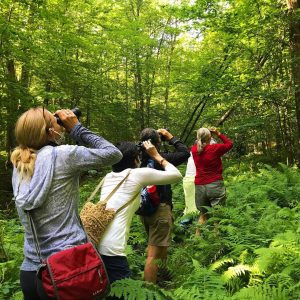
Join our monthly monitoring walk to record birds at the Museum’s trails, forest, and meadow. Learn something new, share what you know, or both! Most fun for adults, older children.
Please bring your own binoculars and dress for the weather. We recommend bringing tick repellent and a water bottle.
Free, suggested donation $10 – $15 Max: 12 people
Please register by calling the museum at 802 434-2167.
Outdoors
We go out the last Saturday of every month. Walks start at 7:30 am April – August; 8am September – March.
All birders — current, experienced, newbie and would-be — welcome!
Join our monthly monitoring walk to record birds at the Museum’s trails, forest, and meadow. Learn something new, share what you know, or both! Most fun for adults, older children.
Please bring your own binoculars and dress for the weather. We recommend bringing tick repellent and a water bottle.
All birders — current, experienced, newbie and would-be — welcome!
Join our monthly monitoring walk to record birds at the Museum’s trails, forest, and meadow. Learn something new, share what you know, or both! Most fun for adults, older children.
Please bring your own binoculars and dress for the weather. We recommend bringing tick repellent and a water bottle.
Brown Creeper, wood carving by Robert N. Spear, Jr.
Many thanks to the MP and MP, two regular volunteers with the same initials, who help us participate in community science programs. They have been here almost every Tuesday to record birds for Feederwatch and eBird… and to note birds on the white board by the window (see the list below).
When you go birding, take note of your observations! Every record you contribute is part of important community science and large data monitoring for conservation! One record at a time may not feel like much, but they add up into incredibly useful data. You might enjoy reading “9 Ways People Have Used eBird Data to Make Conservation Happen.” (Ed. note: Let me know of more recent conservation successes based on bird data, and I’ll add that info to next month’s post!)
Learn to ID birds — what do we look or listen for?
Go birding with a friend — twice the fun!
Find out more about and record observations for this great community science project.
We’re open from 10-4 on Saturday for the GBBC
Members admission: Free!
About the GBBC:
Friday – Monday, February 14-17, 2025 • All Over the World
From the Great Backyard Bird Count website:
Launched in 1998 by the Cornell Lab of Ornithology and National Audubon Society, the Great Backyard Bird Count was the first online citizen-science project to collect data on wild birds and to display results in near real-time.
Since then, more than 100,000 people of all ages and walks of life have joined the four-day count each February to create an annual snapshot of the distribution and abundance of birds.


 As usual, we keep track of birds seen through the window with notes on a white board (