Winter Birding in Vermont

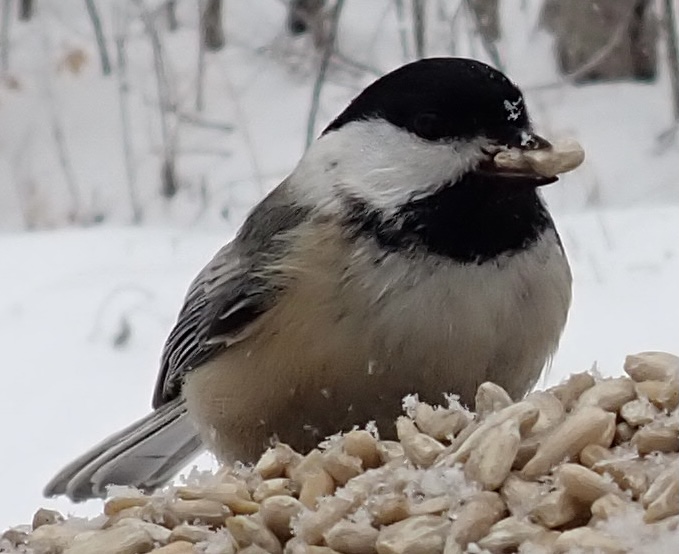
Black-capped chickadee eating a sunflower seed. Chickadee perches on a pile of hulled sunflower seeds in winter; a few snowflakes show on the bird's black feathers.

Join Museum Director Erin Talmage to learn about Winter Birding in Vermont.

Vermont in winter is cold, muddy, slushy, icy, snowy. But there are still birds! Which ones? How come? What do they eat? How do they shelter from the weather? And how can you get involved?

We will explore permanent residents, birds that migrate to and through, and irrupters! You’ll learn how to be involved in conservation just by watching birds—and more.

OLLI  (the Osher Lifelong Learning Institute) is sponsoring this seminar. Visit their website for for more information: https://learn.uvm.edu/osher-lifelong-learning/olli-on-campus-courses/

Class begins at 1:30 at St. Catherine of Siena Catholic Church
72 Church St, Shelburne, VT 05482.

Read more about winter birds in this blog post: https://birdsofvermont.org/2013/01/16/winter-birds/

Through the Window: September 2025

Unidentified hawk overhead against a brilliantly blue sky. Photo copyright Erin Talmage and used by permission.

Warm and dry pretty much the whole month. Pleasant for sitting around, and can make some nice updrafts. Did you go hawk watching?

Every now and then this year, a warbler comes to the feeder—not to eat, apparently, just to check things out from that perch. And (presumably less often) we notice!

September Bird List

Continue reading “Through the Window: September 2025”

CANCELLED : Meander for Mushrooms

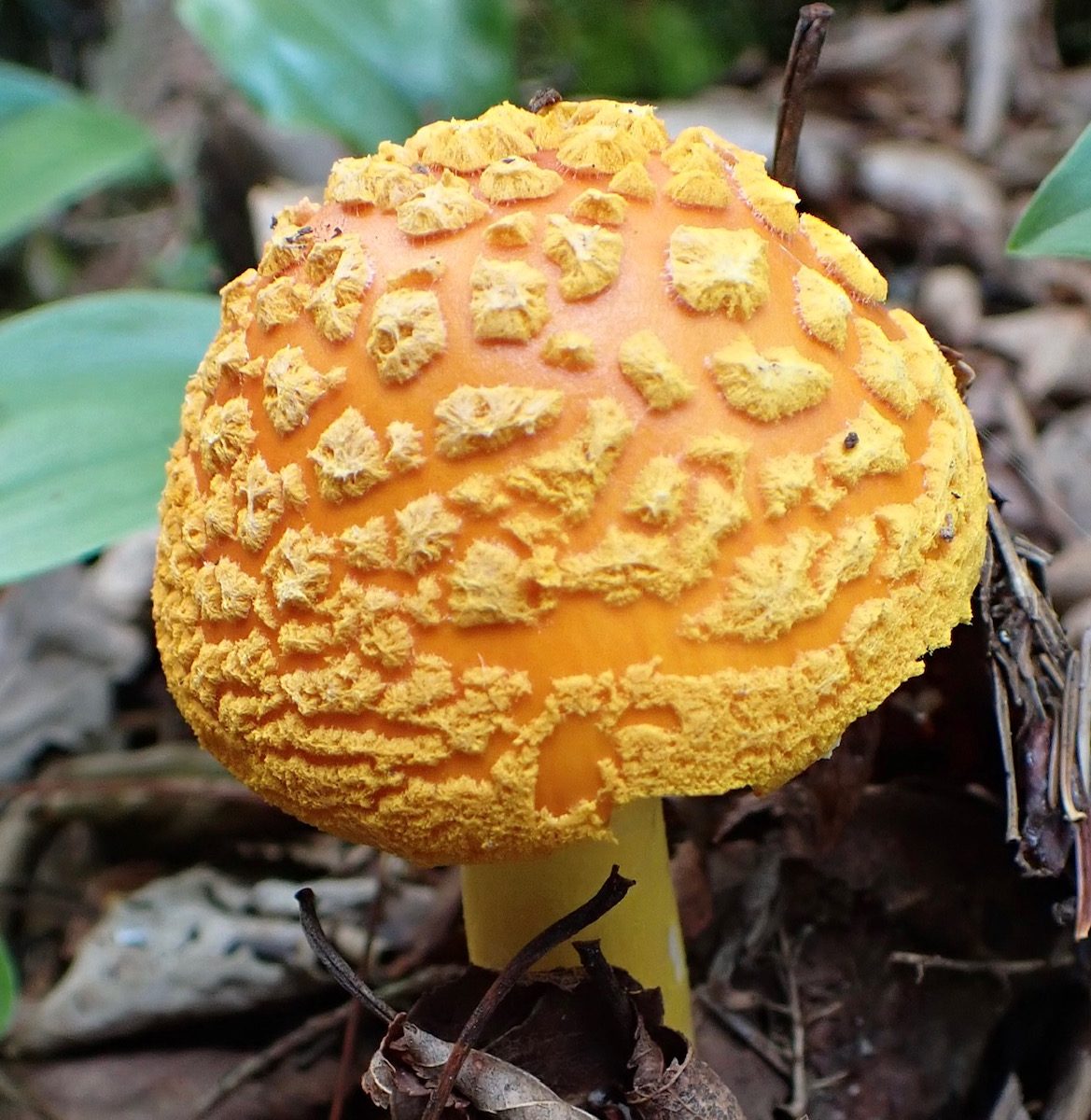
Orange-topped mushroom with light orange "cloud-like" bulges on the dome-shaped cap.

We’re sorry but we have had to cancel this event. We hope to offer it again sometime!

It’s widely known that some fungi are decomposers, but did you know that they can also eat plastic, clean up oil spills, hunt for prey, and enable trees to talk to each other?

Join mycology educator, macro photographer, and author Meg Madden on a mushroom curiosity walk to learn more about the lives of these fascinating organisms. On this walk we will explore the woods and talk about the mushrooms we find along the way including what they are and how to identify them.

From building soil to connecting trees, we will go over the essential roles that fungi play within their natural communities. From environmental remediation to mycelium-based green building materials, we’ll also learn about some of the unique ways fungi can help us navigate our way in a more planet-friendly manner.

Meg will also discuss the importance of community science, how you can contribute to Vermont’s growing database of fungi species on iNaturalist, and share tips and tricks for taking scientific grade mushroom photos.

Wear comfortable walking shoes, weather-appropriate clothing, and bring your questions and curiosity! A smartphone equipped with the iNaturalist app is a plus, but not required.

Signed copies of Meg’s new book, This Is A Book For People Who Love Mushrooms is available for purchase in the Musuem’s Gift Shop.

Note: this is NOT a foraging program.
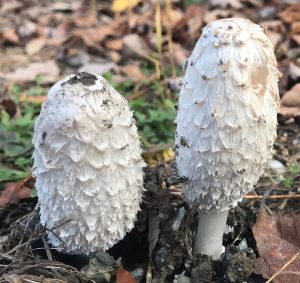
Pair of inky cap mushrooms: a whitish mushroom with a shaggy high-domed cap. Photo by Erin Talmage and used with permission. Photographed in fall in Vermont.

About Meg Madden

Fungi educator, author, and professional photographer, Meg Madden can often be found in the forests of her childhood practicing what she calls “mushroom yoga” — laying on the ground, standing on her head, or balancing precariously on a log — to capture the perfect snail’s-eye view of her favorite photo subject: Fungi! Her colorful, highly detailed mushroom portraits offer an intimate look into the often-overlooked world of these extraordinary organisms.

Inspired by the belief that people are more likely to take care of something they love, she finds great joy in facilitating fun and meaningful connections between humans and nature. Meg shares her knowledge and contagious passion for the fantastic world of fungi through visually engaging presentations, mushroom walks, and via her Instagram gallery @megmaddendesign. An advocate for fungal diversity and community science, Meg teaches iNaturalist classes, organizes educational workshops and Bioblitzes, and is compiling an Atlas Of Fungi for the state of Vermont.

www.instagram.com/megmaddendesign/
linktr.ee/MegMadden

September Bird Monitoring Walk

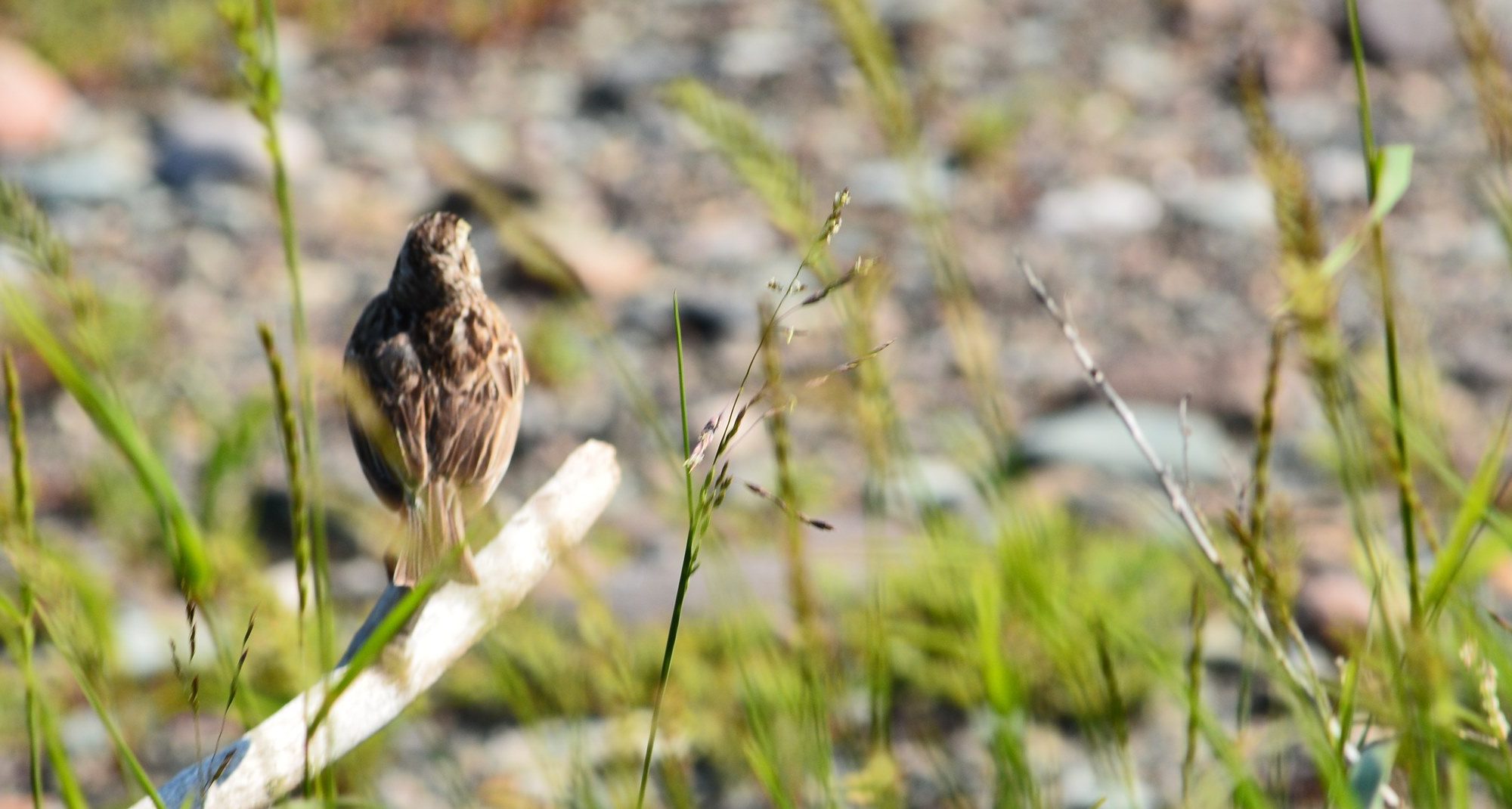
Sparrow spp. © 2019 E. Talmage and used by permission

All birders — current, experienced, newbie and would-be — welcome!
Join our monthly monitoring walk to record birds at the Museum’s trails, forest, and meadow. Learn something new, share what you know, or both! Most fun for adults, older children.

Please bring your own binoculars and dress for the weather. We recommend bringing tick repellent and a water bottle.

Free, suggested donation $10 – $15
Max: 12 people

Register in advance with the button below

or call 802 434-2167.

Outdoors

We go out the last Saturday of every month. Walks start at 7:30 am April – August; 8am in September – March

Photo: Sparrow spp. © 2019 E. Talmage and used by permission.

Through the Window: July 2025

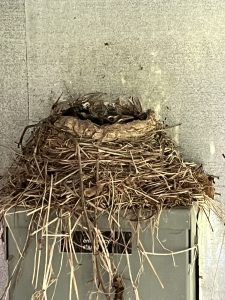
The head of a robin is barely visible above the rim of a mud-and-grasses nest built on an electrical or phone system box on the exterior of a building.
The head of a robin is barely visible above the rim of a mud-and-grasses nest built on an electrical or phone system box. (Photo by K. Talmage, July 2025. Grainy because taken by a zoomed-in cell phone.)

Goodness it’s been hot. What did you have out for birds in your backyard to beat the heat? We have multiple types of cover (shade and safety) and water as well. These robins used the roof of one our sheds as their shade.

July Bird List

Continue reading “Through the Window: July 2025”

Through the Window: June 2025

Juvenile American Robin looks at viewer: a scruffy songbird with a dark head, charcoal-white-rust speckled breast and belly, and a few tufts of down fluffing out behind its head. One dark eye is visible.
This young American Robin had left the nest, but was still looking around for its parents to bring it food. (They did). Photo by Brady Lasher © 2025 and shown with permission.

We had some great Early Bird Walks this month—you can visit our checklists at eBird to see what we observed not from the window (link below).

By the end of the month, it felt like things are settling down : a robin is incubating or raising a second brood near our back door; adult cardinals are feeding young. Who next will bring their babies around? Chickadees? Blue Jays? Hummingbirds? Watch for fluttering wings and listen for unusual squeakings.

June Bird List

Continue reading “Through the Window: June 2025”

August Bird Monitoring Walk

Yellow Warbler ©copyright Bob Johnson and used by permission

All birders — current, experienced, newbie and would-be — welcome!
Join our monthly monitoring walk to record birds at the Museum’s trails, forest, and meadow. Learn something new, share what you know, or both! Most fun for adults, older children.

Please bring your own binoculars and dress for the weather. We recommend bringing tick repellent and a water bottle.

Free, suggested donation $10 – $15
Max: 12 people

Register by calling 802 434-2167 or using the button below:

Outdoors

We go out the last Saturday of every month. Walks start at 7:30 am April – August; 8am in September – March

Photo: Photo of Yellow Warbler ©copyright Bob Johnson and used by permission.

July 2025 events

Grandfather and grandchild exploring for butterflies

Well, we have a “happenin’ summer!”

Arts events are the big focus in July, with a concert, a workshop, and a reception. If you need something a bit more detailed, try the Butterfly and Big Walk. If you want quiet reflection, there’s another Forest Sit. Need to stomp some feet? Drop by the Blues for Breakfast concert at the Huntington Rec Field.

Scroll on down and find out more!

=== JULY EVENTS ===

Continue reading “July 2025 events”