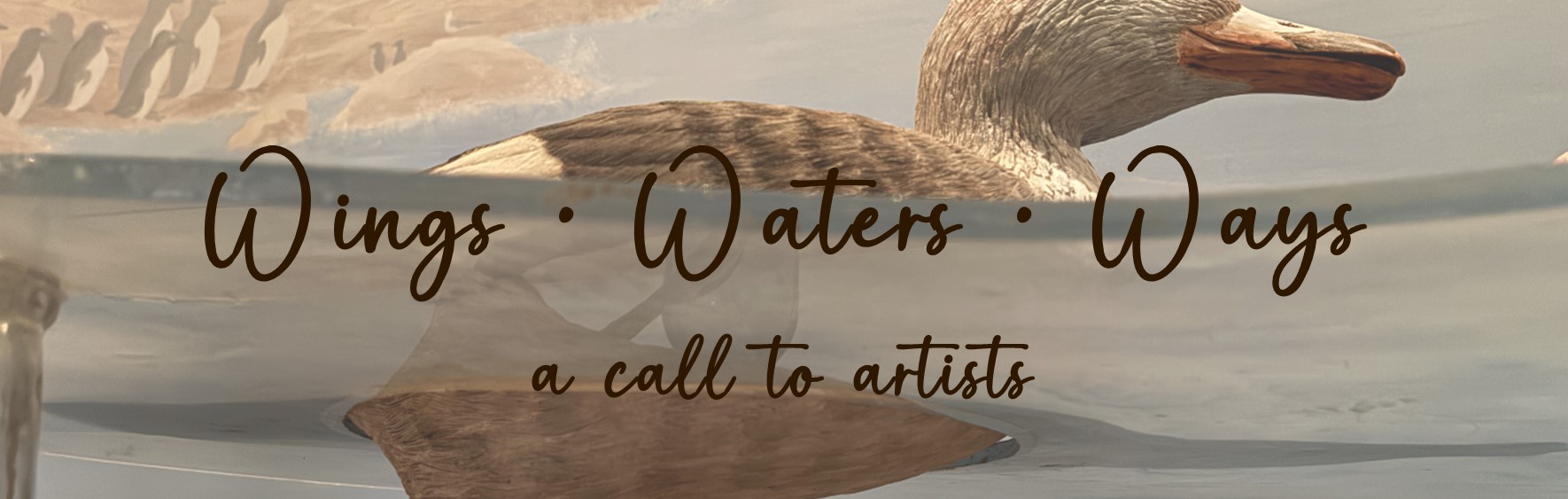
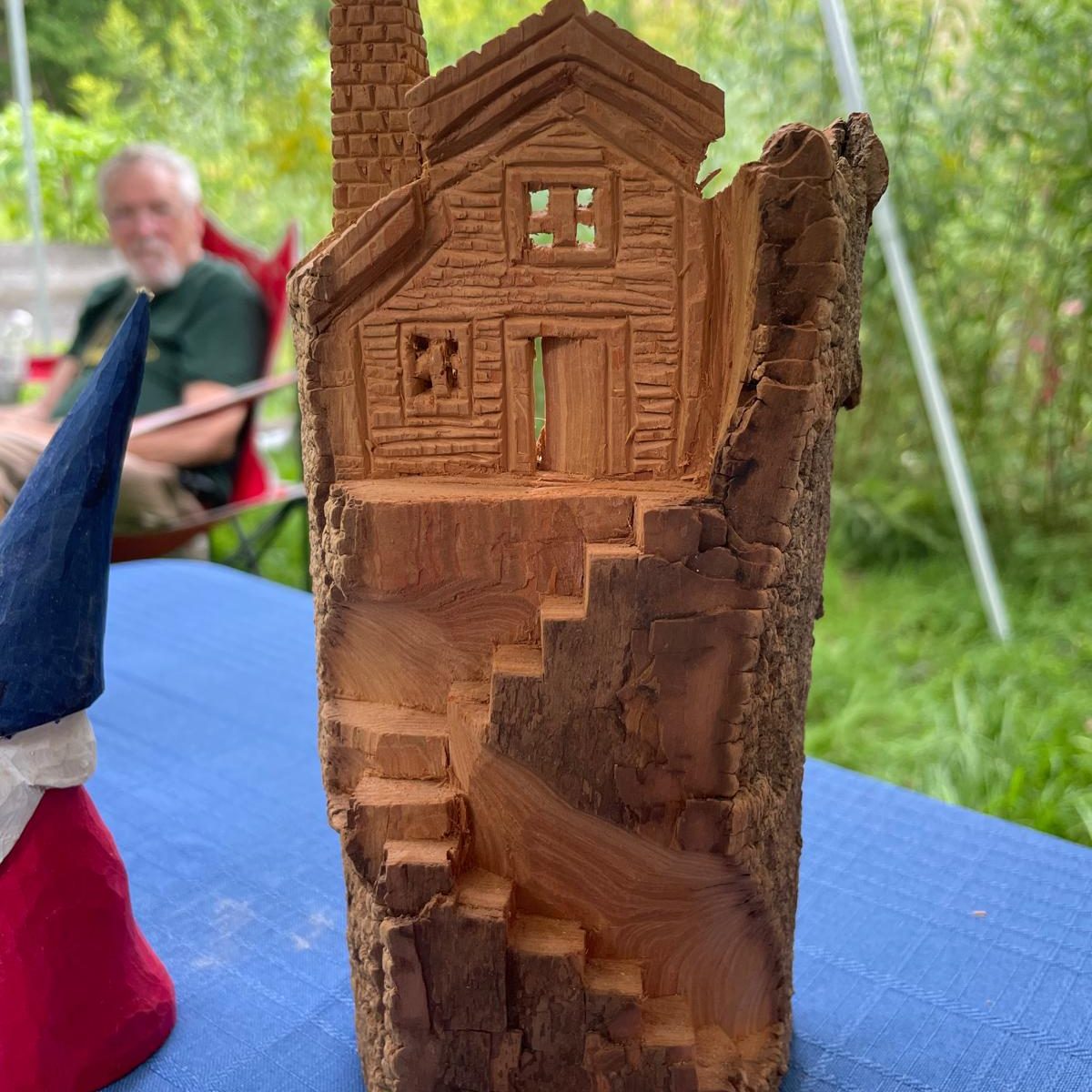
Explore the interwoven history of humans, birds, and waterways with your art.Consider upcoming “250th” celebrations in the US, the much-longer history of humans on the landscape in the Green Mountains and Champlain Valley, and the much, much, much longer stories of how birds have evolved with, use, and been influenced by water and waterways. Ponder habitats, adaptations, and interactions.
Learn to ID birds — what do we look or listen for?
Go birding with a friend — twice the fun!
Find out more about and record observations for this great community science project.
We’re open from 10-4 on Saturday for the GBBC
Members admission: Free!
About the GBBC:
Friday – Monday, February 13-16, 2026 • All Over the World
From the Great Backyard Bird Count website:
Launched in 1998 by the Cornell Lab of Ornithology and National Audubon Society, the Great Backyard Bird Count was the first online citizen-science project to collect data on wild birds and to display results in near real-time.
Since then, more than 100,000 people of all ages and walks of life have joined the four-day count each February to create an annual snapshot of the distribution and abundance of birds.
Friday – Monday, February 13-16, 2026 • All Over the World
Whether you are with a friend or on your own, watching one bird or counting hundreds, join a worldwide community-science and conservation project! All you have to do is observe for 15 minutes and submit your observation(s). Here are few details from https://www.birdcount.org/participate/ :
Join Museum Director Erin Talmage to learn about Winter Birding in Vermont.
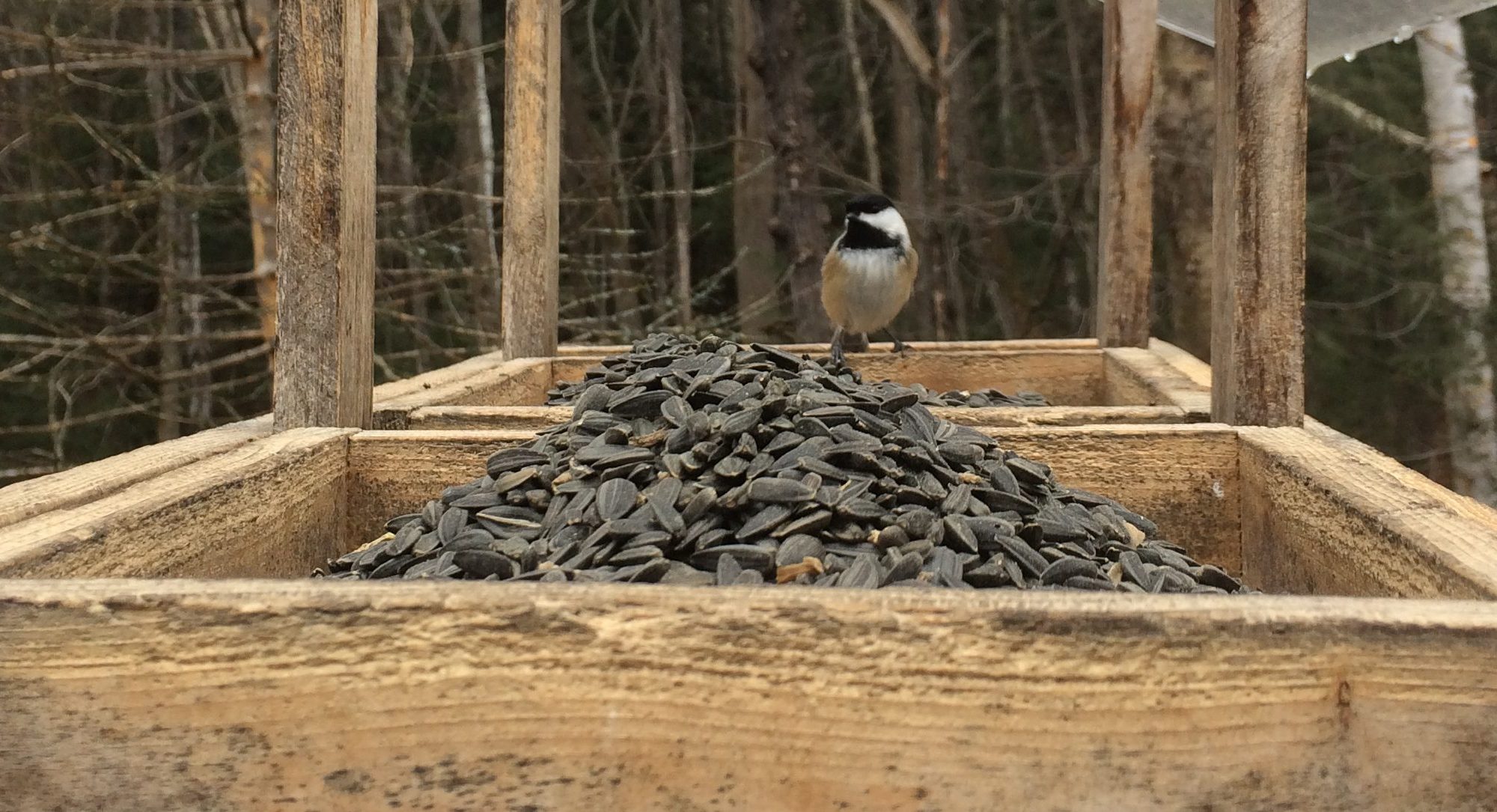
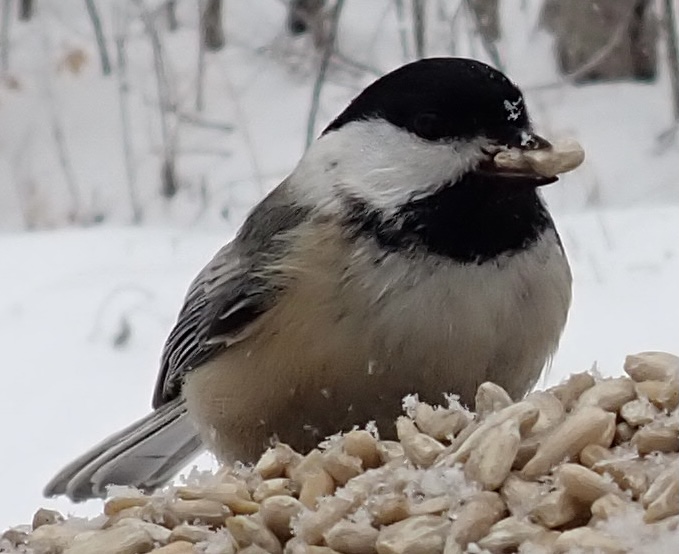
Vermont in winter is cold, muddy, slushy, icy, snowy. But there are still birds! Which ones? How come? What do they eat? How do they shelter from the weather? And how can you get involved?
We will explore permanent residents, birds that migrate to and through, and irrupters! You’ll learn how to be involved in conservation just by watching birds—and more.
Since 1970, bird populations have declined by the billions, according to the 2025 State of the Birds Report. Populations of eastern forest birds—including many species commonly seen at the museum—have declined by 27 percent. The report identified 112 “tipping point species” including the Northern Pintail, Chimney Swift and Bobolink (whose can all be found as life-size woodcarvings at the museum), which have lost more than half of their populations in the past 50 years.
Arts events are the big focus in July, with a concert, a workshop, and a reception. If you need something a bit more detailed, try the Butterfly and Big Walk. If you want quiet reflection, there’s another Forest Sit. Need to stomp some feet? Drop by the Blues for Breakfast concert at the Huntington Rec Field.
Enjoy a hands-on workshop where people of all ages and skill levels “craft for a cause” by creating soft-sculpture replicas of real birds lost to collisions and learn practical ways we can help protect birds in the built environment.
Bird Collisions in the Anthropocene leads this event at the Birds of Vermont Museum. They are a community art and advocacy project raising awareness about bird building collisions—a leading cause of bird mortality in the United States.
Included with museum admission (free for museum members!).
Register online, or call us (802 434-2167), or just drop in!
Outdoors if weather permits
All ages & skill levels welcome! All materials provided!
More About the Workshop
Make a small fabric bird based on a real migratory bird found in Vermont for Bird Collisions in the Anthropocene, a community-sourced conservation art project. Learn about migratory birds in Vermont and the hazards of glass windows, while we craft together.
At this bird-crafting workshop, you will decorate a small, pre-made fabric “bird body” with natural fabrics and small decorations like beads, shells, and buttons that you choose from our supplies. You’ll attach them using water-soluble tacky glue. The aim is to make your bird resemble a real bird species affected by building collisions. But, no pressure! You don’t have to be an artist or a crafter to use your imagination to bring a bird to life.
SPECIES WE’LL BE CRAFTING:
Common Yellowthroat
Magnolia Warbler
American Redstart
Ovenbird
Cedar Waxwing
Brown Creeper
Swamp Sparrow
Our “sculptures” will become part of a traveling art exhibit of 10,000+ birds,raising awareness about bird building collisions in the United States, a leading cause of bird mortality. Every year, nearly 2 billion birds die after colliding with glass in our country. Migratory birds are disproportionately affected by collisions.
Come craft a bird, bring a friend, meet new friends, and enjoy a wonderful morning of “crafting for a cause.”
Welcome to our late spring and early summer events! We’ll walk and bird, sit in the forest, explore art, and maybe even try whittling and wood carving.