Call to Artists: Wings • Waters • Ways

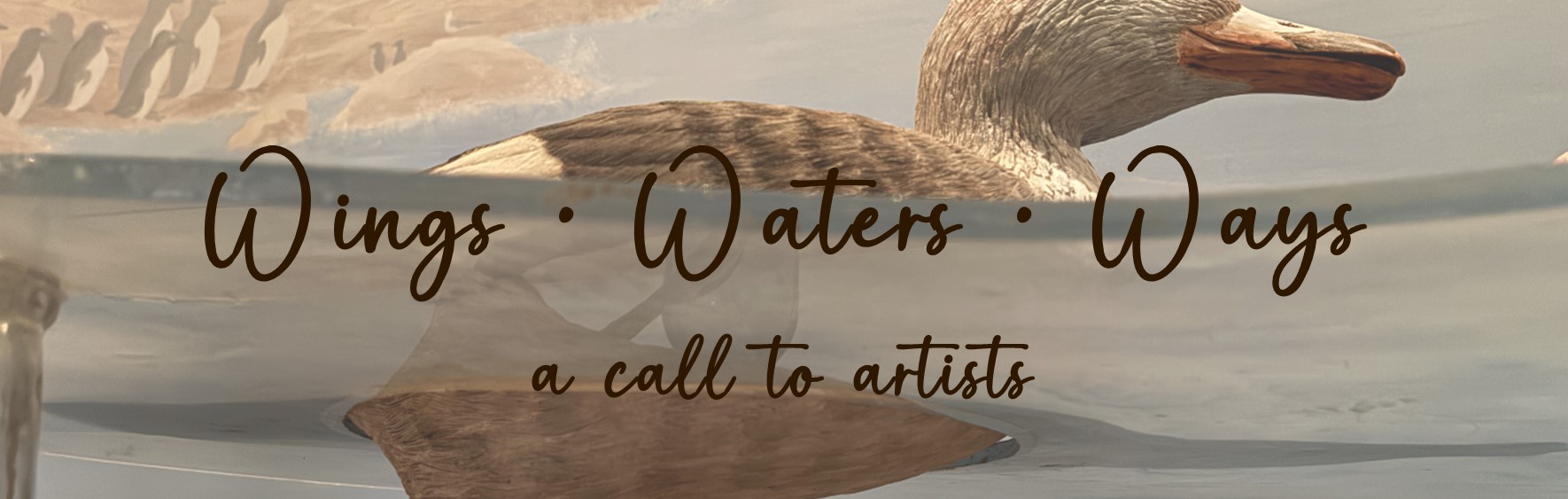
Pale image of a carved and painted wooden female Labrador duck swimming and seen from below underlies brown cursive text that reads Wings-Waters-Ways: a call to artists.

Explore the interwoven history of humans, birds, and waterways with your art. Consider upcoming “250th” celebrations in the US, the much-longer history of humans on the landscape in the Green Mountains and Champlain Valley, and the much, much, much longer stories of how birds have evolved with, use, and been influenced by water and waterways. Ponder habitats, adaptations, and interactions.

The Birds of Vermont Museum invites art submissions that dive and soar with the ways of wings and waters for our 2026 community art show.
Continue reading “Call to Artists: Wings • Waters • Ways”

Kindness and the future: 2025 annual appeal

Thirty years ago, Gale Lawrence purchased land across Sherman Hollow Road from her home. She donated it to the Museum as a place for people to visit, as well as for birds, mammals, insects, plants, fungi, and other wildlife to live. At the same time, Bob planted four American Chestnut trees along the edge of the meadow on this parcel. Since then, countless people have stood under those trees to take photos, paint, listen to birds, admire the changing seasons, and enjoy the steady hum of life around them.

These acts of kindness taken by Bob and Gale were done not to benefit themselves, but for the animals, plants, and people that would come after them. Acts like this make a difference, and we strive to continue making similar choices every day. We believe in the importance of stewarding places to connect and create, providing places to bird and experience nature. These places benefit all of us. Choices we all make, and support of places like the Museum are not just for our individual benefit. We give also to those who will come after us. Continue reading “Kindness and the future: 2025 annual appeal”

Changing Conservation Policies in 2025

Guest post by Thomas Buckley, Fall 2025 Intern

Since 1970, bird populations have declined by the billions, according to the 2025 State of the Birds Report. Populations of eastern forest birds—including many species commonly seen at the museum—have declined by 27 percent. The report identified 112 “tipping point species” including the Northern Pintail, Chimney Swift and Bobolink (whose can all be found as life-size woodcarvings at the museum), which have lost more than half of their populations in the past 50 years.

Given the threats facing birds, it is more important than ever to consider the recent changes by the federal government to conservation policy and practice. Continue reading “Changing Conservation Policies in 2025”

November 2025 events

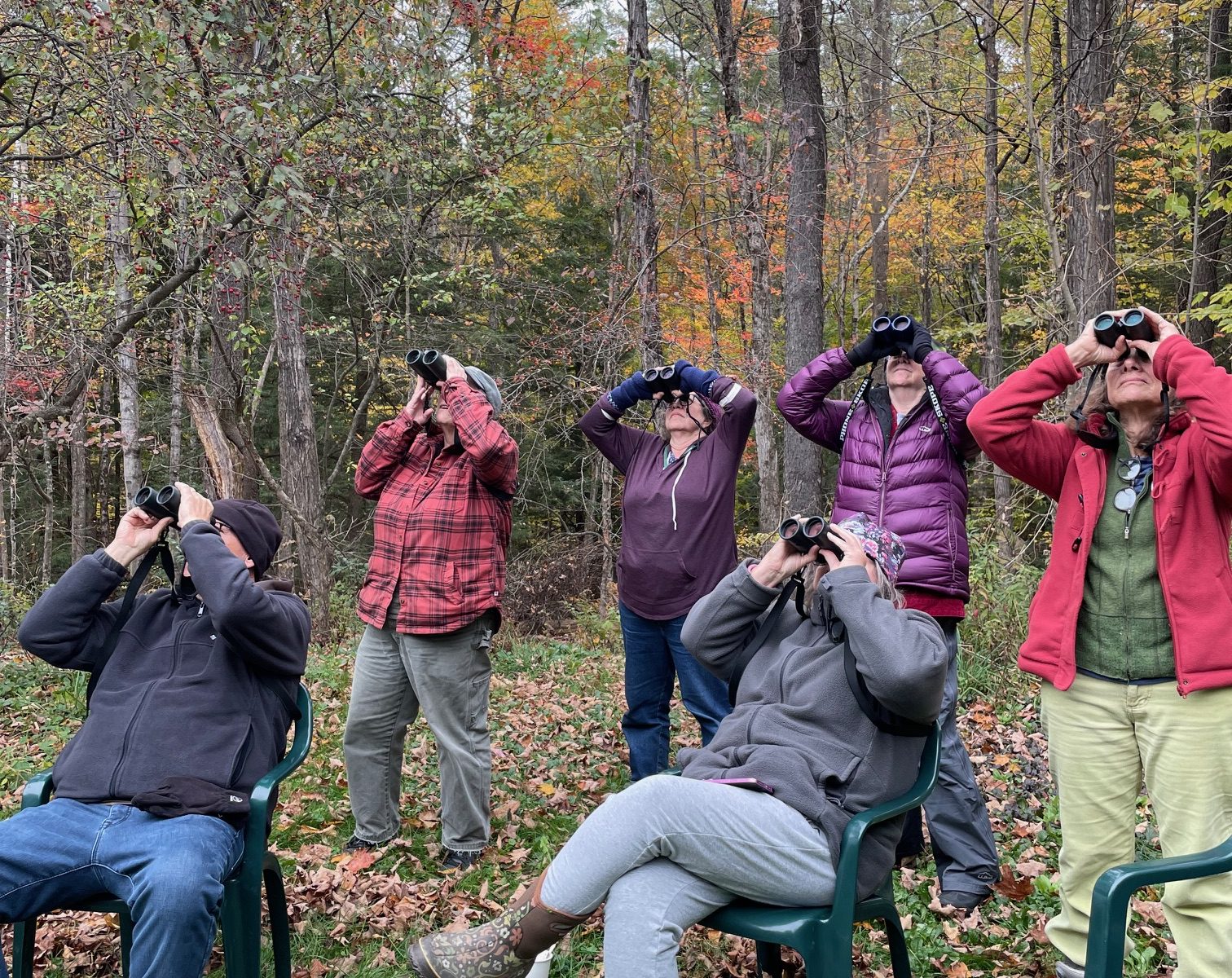
November is mostly behind-the-scenes month. We have a lot to be thankful for, this month, and will post about all sorts of amazing people, places, and phenomena on instagram, facebook, and/or bluesky. We are open by appointment while we take the time to move art around, build the annual appeal, work on our newsletters, and update and invent new traveling exhibits. We have a few events, of course!

=== NOVEMBER EVENTS ===

Continue reading “November 2025 events”

Help Us Get to the Other Side!

Water Damage

You can Help!

We need your help to get to the other side! We have a plan to re-cross Sherman Hollow Brook, and need your help to help fund the construction.

Everything helps, from $5 once, $50 monthly, to $5000 annually.

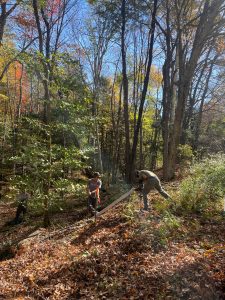
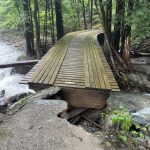
Bob’s Bridge has been closed since July 2024. Torrential rains and floods that month damaged the bridge and its footing. For safety, the Museum closed it, limiting public access to the museum’s trails on the 60 acres across Sherman Hollow Brook. This also restricted access to Gale’s Retreat.

First Steps

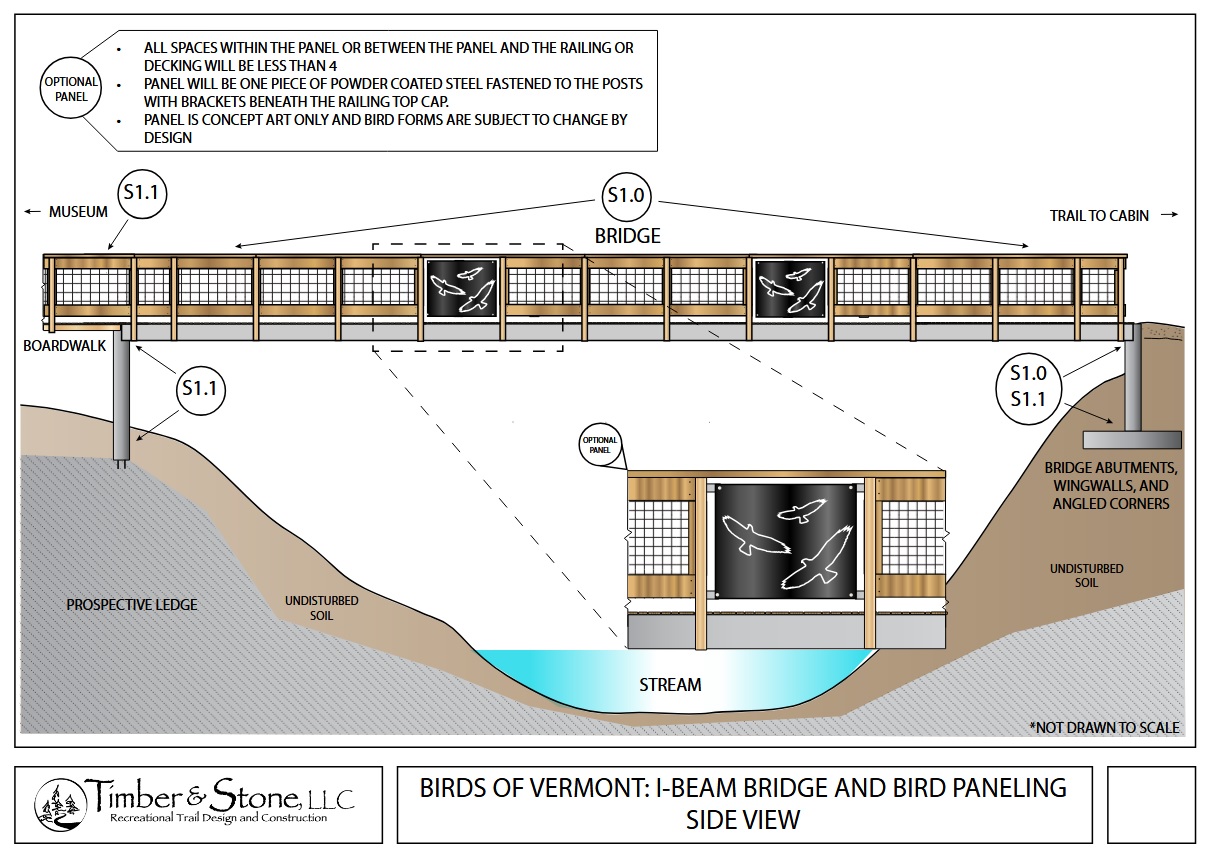
Right after the flood, we began working with Timber and Stone LLC and DeWolfe engineers. Together we are designing and will build a new accessible bridge!

The new route includes a board walk, places to pause and bird, and views above the stream. The new bridge will be above the 100-year flood mark and allow us to reopen the trails for everyone. By rerouting access, we make the access more gradual, more accessible, and minimize erosion into the brook. Continue reading “Help Us Get to the Other Side!”