 While it’s lovely just to sit by the window, sometimes we catch sight of birds as we come to work as well. Catbirds, phoebes, and some other species are more likely to be seen at the entrance than in the bird feeding area.

where natural history meets art
While it’s lovely just to sit by the window, sometimes we catch sight of birds as we come to work as well. Catbirds, phoebes, and some other species are more likely to be seen at the entrance than in the bird feeding area.

The most relaxed birding around. And around and around …
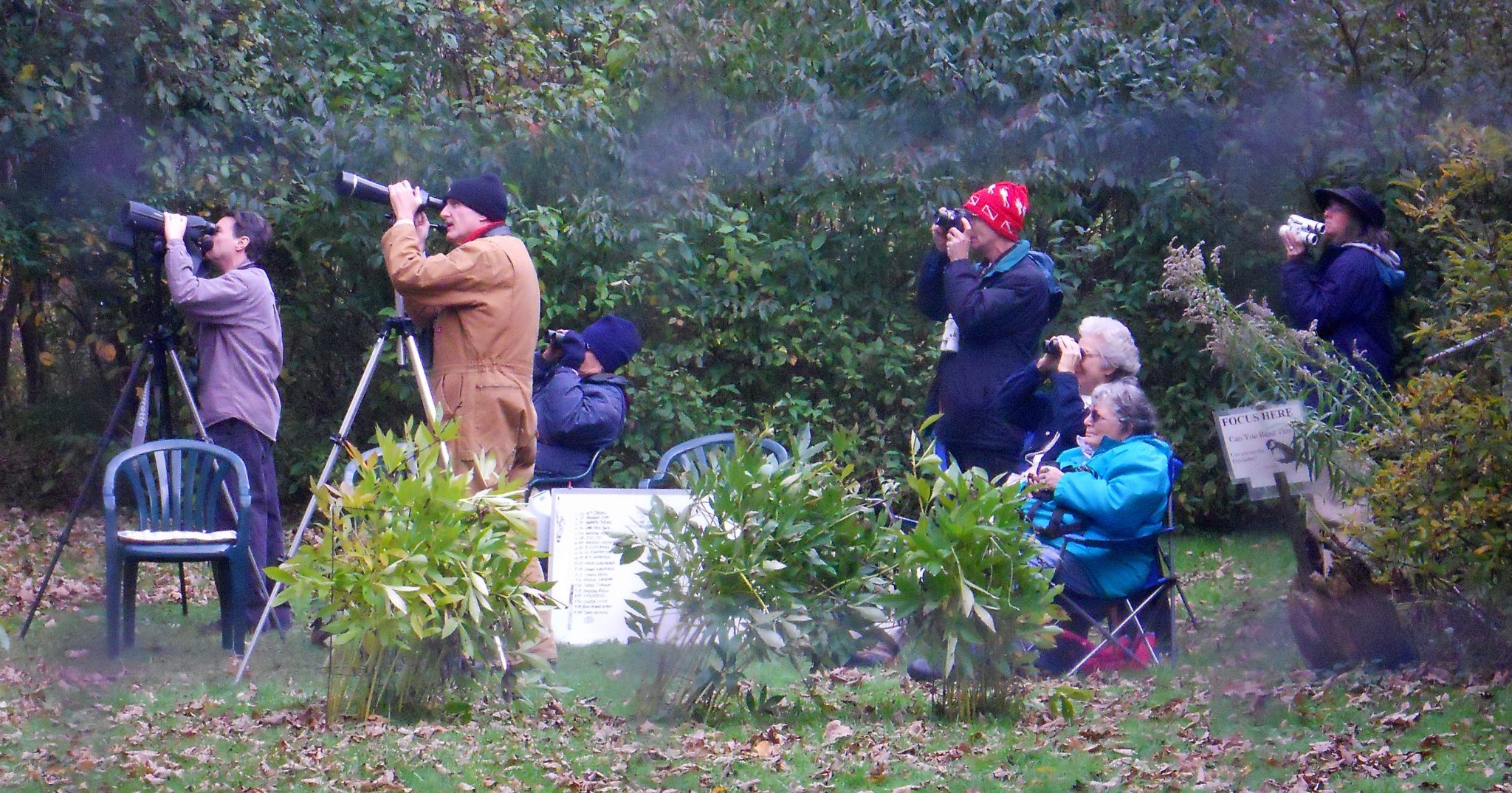
How many birds (and birdwatchers) can we identify from a 17-foot diameter circle between sunrise and sunset? Can we beat last year’s record? We’ve seen birds big and small, in night and day: from Kinglets to Great Blue Herons, Barred Owls to Turkey Vultures.
This is a great long-running community science project. Pledges and donations welcome:

We are observing from Dawn to Dusk. The Museum is open from 10am – 4pm.
Call or email to ask about joining the observation team.
For much more info, see https://www.thebigsit.org/ .
Check out the reports from previous years: 2015, 2016, 2017, 2018, 2019, 2020, 2021 (overall), 2021 (ours), 2022 (overall), 2022 (ours), 2023 (overall), 2023 (ours)

The birds seem to be weathering the weather a bit better than some. It was a nice month for both usual and less-frequent species.
This is a strangely short list. We did limit feeding until late in the month due to nearby bear sightings. And I know we were more likely outside when looking at and for birds in June. (I mean, how can you resist June? Except for that weirdly horribly hot week.) Of course, it’s also possible the birds were very busy elsewhere. Because June!
We had a surprise visitor one day in May! This little fellow confused the Black-capped Chickadee by pulling fibers from a hanging plant basket that the chickadees often use (for the same purpose).
Many thanks to our intern Hans for the photo. Read on for a really incredible bird list this month!
Well, it’s true that some of these we didn’t see when looking out the window! It’s a loose unofficial record! We might have observed these birds while walking into or around the building, or heard them from the front door. Or, in the case of Wood Frogs*, heard through the windows and sometimes, possibly, through the wall.
March often feels like everything is hurtling towards change. Welcome to spring…even if if it often doesn’t feel like spring at all.
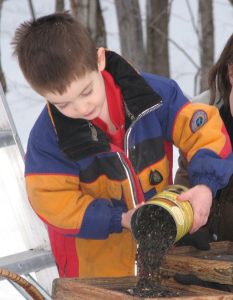
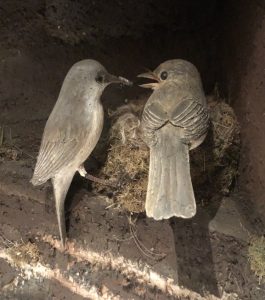
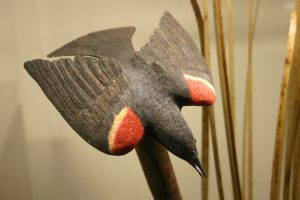
One of the neat things about February is that both Feederwatch and the Great Backyard Bird Count happen that month. People come into the museum to watch from our windows (it’s usually warmer than outside) and to learn about birds from the carvings. (The birds don’t fly away! So helpful!)
What would you like to learn next about birds?
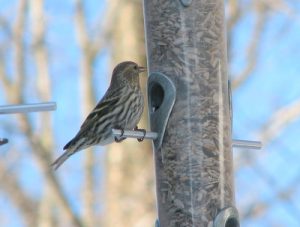
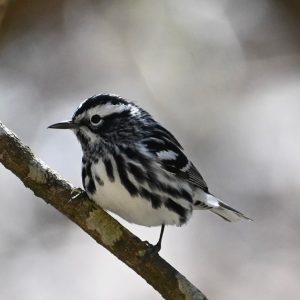
Fun to see a Pine Siskin this month! And thirteen other species…fifteen if you look at all the observations records around the Museum (we’re such a hot spot!). Nice set of winter birds.
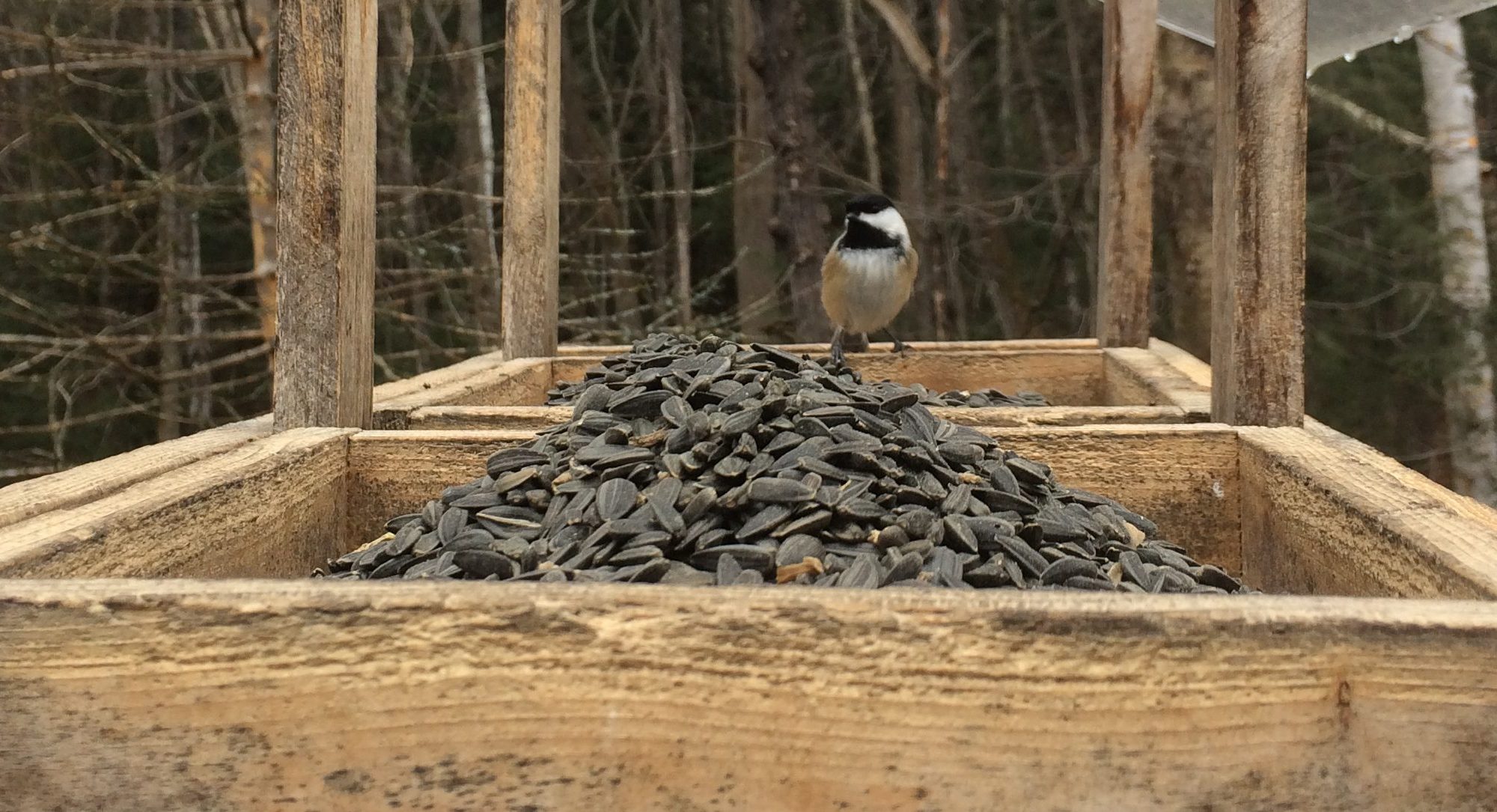
Visit us February 17th, 2024, to see what birds we’re counting for the Great Backyard Bird Count!
We’re open from 10-4 on Saturday for the GBBC
Members admission: Free!
Friday – Monday, February 16-19, 2024 • All Over the World
From the Great Backyard Bird Count website:
Launched in 1998 by the Cornell Lab of Ornithology and National Audubon Society, the Great Backyard Bird Count was the first online citizen-science project to collect data on wild birds and to display results in near real-time.
Since then, more than 100,000 people of all ages and walks of life have joined the four-day count each February to create an annual snapshot of the distribution and abundance of birds.
For more info visit Great Backyard Bird Count website
[slideshow_deploy id=’6266′]