Through the Window: December 2023

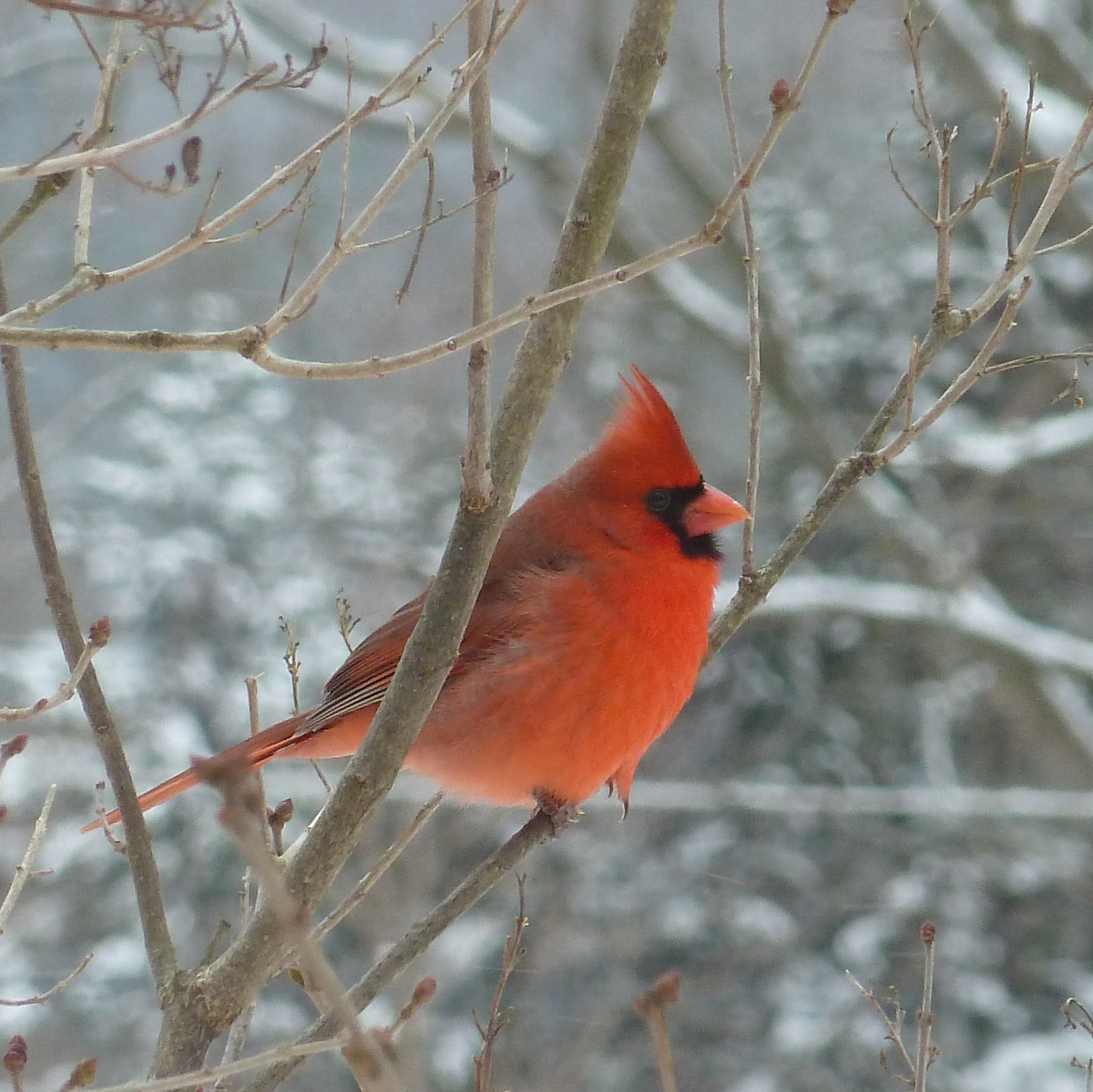
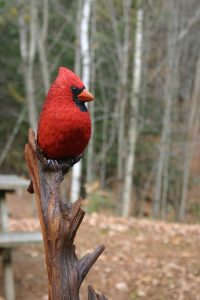
Wood carving of a Northern Cardinal by Bob Spear. The bird is perched on a bare, slightly branched log. Its body faces the viewer, but it is looking to the viewer's right. The carving is outside (for the photograph), and bare fall trees and leaf-covered ground can be seen in the background.
Northern Cardinal (male); wood carving by Bob Spear

December was a bit wet this year. We were fine (still watching how the streams flow around and under our various bridges, of course). People seemed to be enjoying staying in Gale’s Retreat, and we certainly have enjoyed our walks in the woods to check on it before and after the guests.

One heavy wet snowfall  took out more main branches from the crabapple tree. We’ll see how the Ruffed Grouse adapt to that.
December Bird List

Continue reading “Through the Window: December 2023”

January Bird Monitoring Walk

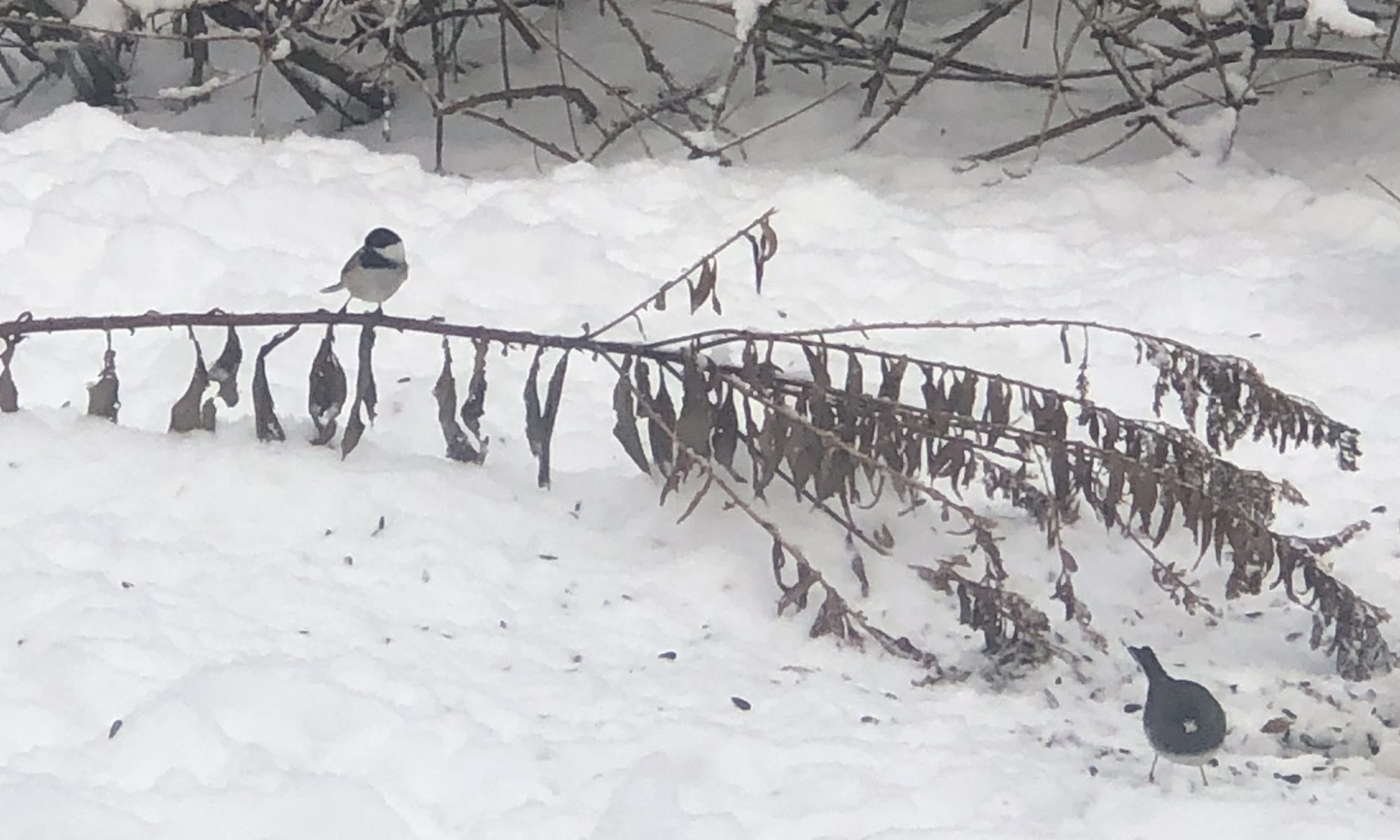
Black-capped Chickadee and Dark-eyed Junco in winter. The Chickadee is perched on a half-fallen dried goldenrod stem on the left; the Junco is underneath he stem on the right. There are some forsythia stems in the background and snow covers the ground. Digiscoped iPhone photo by K. Talmage and used by permission.

Join our monthly monitoring walk to record birds at the Museum’s trails, forest, and meadow. Learn something new, share what you know, or both!

All birders —current, experienced, newbie and would-be— welcome! Most fun for adults, older children.

Please bring your own binoculars and dress for the weather. We recommend bringing tick repellent (seasonally) and a water bottle.

Max: 12 people
Free, suggested donation $10

Register for Walk

We are trying a new way to register with a local provider; registration links should open in a new tab/window.

Outdoors

If the walk fills, we’ll have a waitlist; we also offer these bird monitoring walks the last Saturday of every month.

Photo of Black-capped Chickadee and Junco in winter. Photographed at the Museum by Museum staff.

Through the Window: November 2023

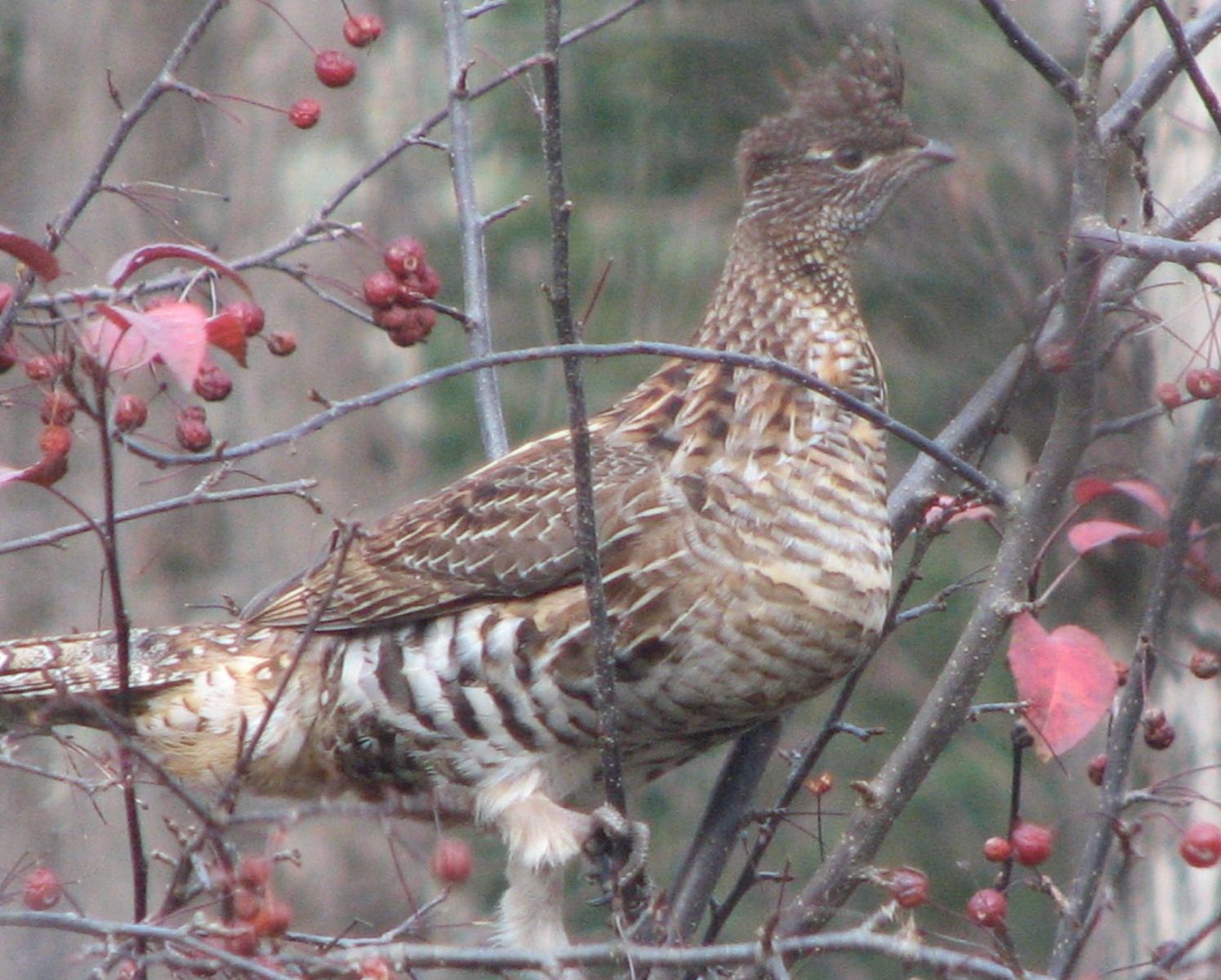
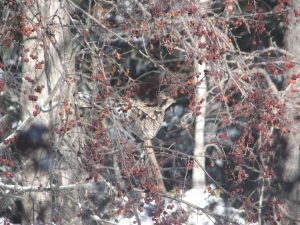
Ruffed Grouse in leafless crabapple tree.

November is often pretty quiet; we get wrapped up in the Race, with working indoors with our Annual Appeal, with staff getting some breaks for holidays. The birds don’t care!

It’s an amusing treat to watch the Ruffed Grouse reach for each small decorative crabapple fruit, dried and frozen though they may be.

November Bird List

Continue reading “Through the Window: November 2023”

Through the Window: September 2023

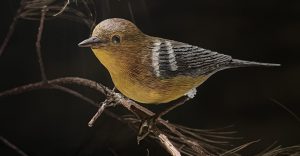
Life-like Pine Warbler woodcarving by Bob Spear
Pine Warbler, carved by Bob Spear

It’s the last month for the Hummingbirds (for the year). Nevertheless, they delighted those who sat at the Viewing Window this month, as the “Hummers” continued to defend “their” feeders!

Not only that, but we saw some unusual-for-the-feeder-area birds as well. Read on to find out what species they were…

September Bird List

Continue reading “Through the Window: September 2023”

December Bird Monitoring Walk

Photo of Northern Cardinal (male)

Join our monthly monitoring walk to record birds on the Museum property. Learn something new, share what you know, or both!

All birders (current, experienced, newbie and would-be!) welcome! Most fun for adults, older children.

Please bring your own binoculars, dress for weather. We recommend bringing tick repellent and a water bottle. Face masks required inside the museum.

Max: 12 people • waitlist available
Free, suggested donation $10


Outdoors

Photo of Northern Cardinal.

November Bird Monitoring Walk

Ruffed Grouse in fall Crabapple tree

Join our monthly monitoring walk to record birds on the Museum property. Learn something new, share what you know, or both!

All birders (current, experienced, newbie and would-be!) welcome! Most fun for adults, older children.

Please bring your own binoculars, dress for weather. We recommend bringing tick repellent and a water bottle. Face masks required inside the museum.

Max: 12 people • waitlist available
Free, suggested donation $10


Outdoors

Photo of Ruffed Grouse in Crabapple. Photographed at the Museum by Museum staff.

Vermont Beetles

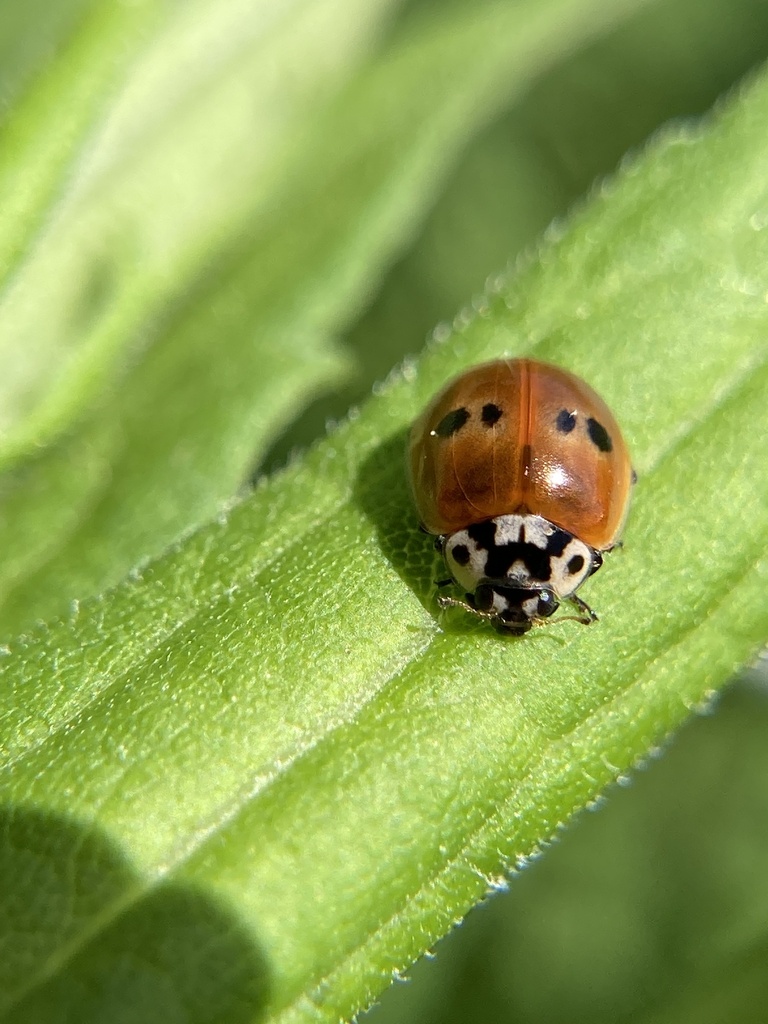
Two-spotted Lady Beetle —a small red beetle with two black spots on each wing covering—on a plant stem, facing the viewer. Photo by Julia Pupko and used with permission.

Beetles (Order: Coleoptera) are a fascinating yet vastly understudied taxonomic group. In Vermont alone, there are over 1,000 different species! Some groups provide important roles as pollinators, biological controls, decomposers, and more. Other beetles, such as the invasive Emerald Ash Borer (Agrilus planipennis) threaten the health of our ecosystems.

Join us to learn about the ecology and identification of different groups of beetles found in Vermont.


In this two hour workshop, we will spend about 45 minutes focusing on a few families, genera, and species of note. For the remaining hour and 15 minutes, we will go outside and search for beetles around the Birds of Vermont museum, identifying as we go.

About Julia Pupko (they/them):

Julia is the former coordinator of the Vermont Lady Beetle Atlas through the Vermont Atlas of Life at the Vermont Center for Ecostudies. Currently, Julia works for Vermont Forests, Parks and Recreation at the Forest Biology Lab, with a special interest on the intersection between forest health and entomology.

Additionally, Julia volunteers in a number of roles for Sosyete pou Rebwaze Duchity Haiti (SRDH) – a community-based reforestation and agroforestry organization operating in Duchity, Haiti. In their spare time, Julia enjoys painting, spending time with their birds, hiking, and (of course) searching for insects.

Images provided by Julie Pupko of Vermont Center for Ecostudies.

Meander for Mushrooms

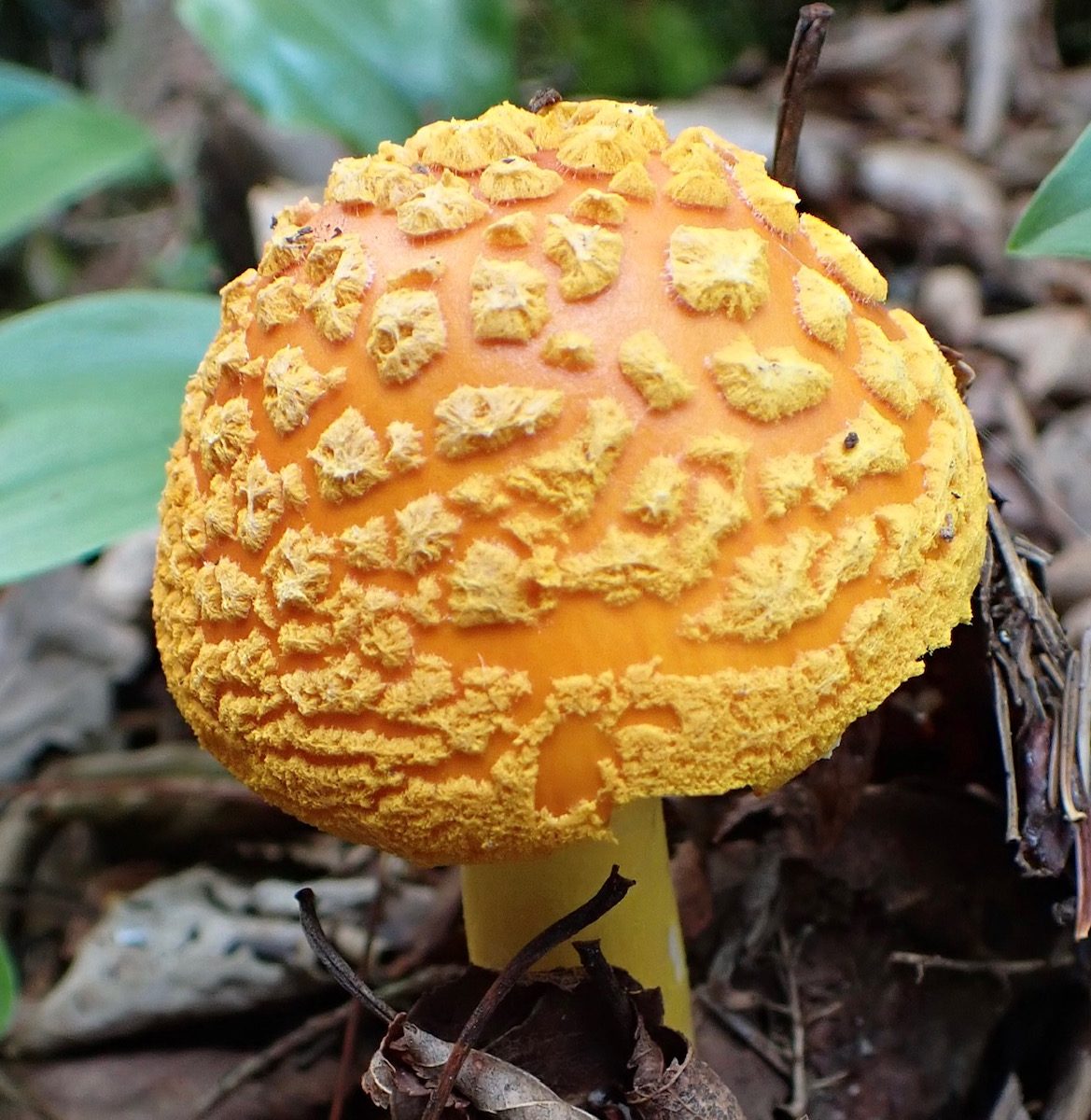
Orange-topped mushroom with light orange "cloud-like" bulges on the dome-shaped cap.

…with Meg Madden, Myco-influencer

Ever wondered about the mysterious mushrooms that share the forest with us? Are you fungi-curious? Do you see interesting mushrooms in your travels and wish you knew more about these fascinating organisms?

On this walk we will explore the woods and learn about the mushrooms we find along the way including what they are, how to identify them, and the essential roles that these fungi play in forest ecology. We will also discuss the importance of community science and learn tips and tricks for taking mushroom photos.

Limit: 15 • please register in advance


Cost: $20 – $40 (Discount for Museum members)

Wear comfortable walking shoes, weather-appropriate clothing, and bring your questions and curiosity! A smartphone equipped with the iNaturalist app is a plus, but not required.

Meg Madden leads an exploration on the Museum’s trails: to seek, to find, and to understand the fungi that live in and on our corner of the wood-wide web.

Note: this is NOT a foraging program.
Pair of inky cap mushrooms: a whitish mushroom with a shaggy high-domed cap. Photo by Erin Talmage and used with permission. Photographed in fall in Vermont.

About Meg Madden

Fungi educator, author, and professional photographer, Meg Madden can often be found in the forests of her childhood practicing what she calls “mushroom yoga” — laying on the ground, standing on her head, or balancing precariously on a log — to capture the perfect snail’s-eye view of her favorite photo subject: Fungi! Her colorful, highly detailed mushroom portraits offer an intimate look into the often-overlooked world of these extraordinary organisms.

Inspired by the belief that people are more likely to take care of something they love, she finds great joy in facilitating fun and meaningful connections between humans and nature. Meg shares her knowledge and contagious passion for the fantastic world of fungi through visually engaging presentations, mushroom walks, and via her Instagram gallery @megmaddendesign. An advocate for fungal diversity and community science, Meg teaches iNaturalist classes, organizes educational workshops and Bioblitzes, and is compiling an Atlas Of Fungi for the state of Vermont.

www.instagram.com/megmaddendesign/
linktr.ee/MegMadden