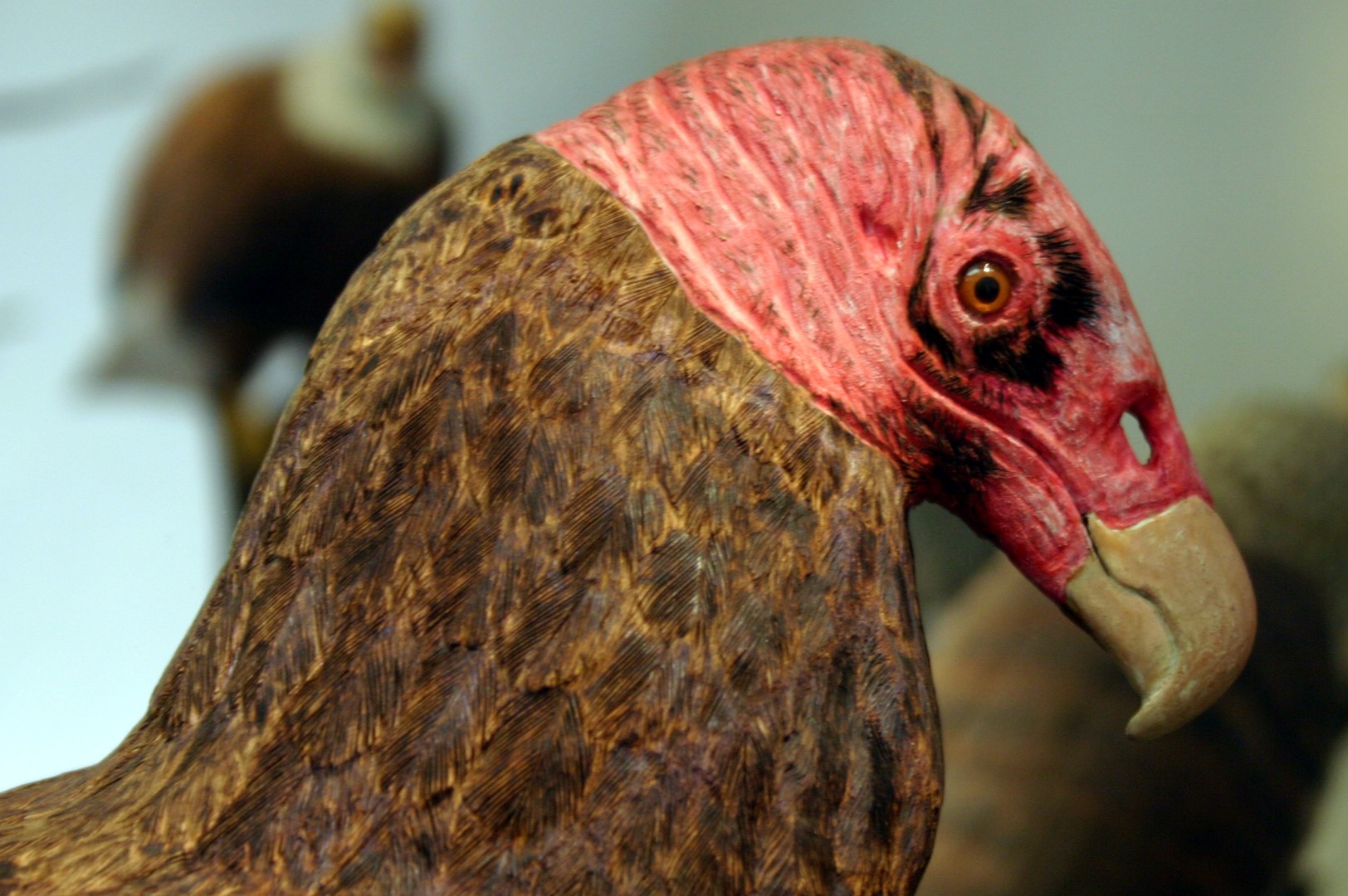
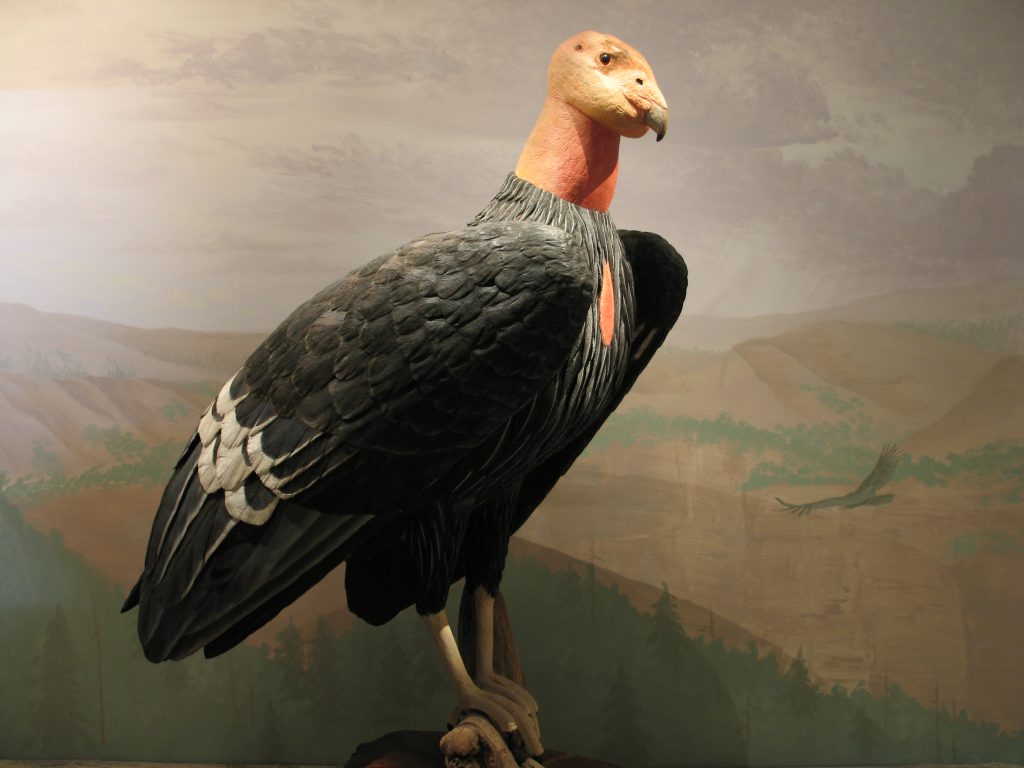
Vultures are an ecologically vital group of birds that face a range of threats in many areas that they occur. Populations of many species are under pressure and some species are facing extinction. Learn what you can do to protect vultures…and why that’s a really good idea!
Stop by the Museum (we’re open 10am – 4pm) to discover how many vulture species live in Vermont (and where). Can you find all of our vulture carvings? Are we missing any? Check out one of our larger carvings and imagine where would we have had to put it if Bob Spear had carved it with its wings outspread.
Not in Vermont? Drop by the Vulture Day website at https://www.VultureDay.org to stretch your curiosity with resources , games, education activities, and more. Celebrate IVAD locally!
Celebrate Vultures all around the world!
The first Saturday in September each year is International Vulture Awareness Day. But we can learn about and honor them more often than that!
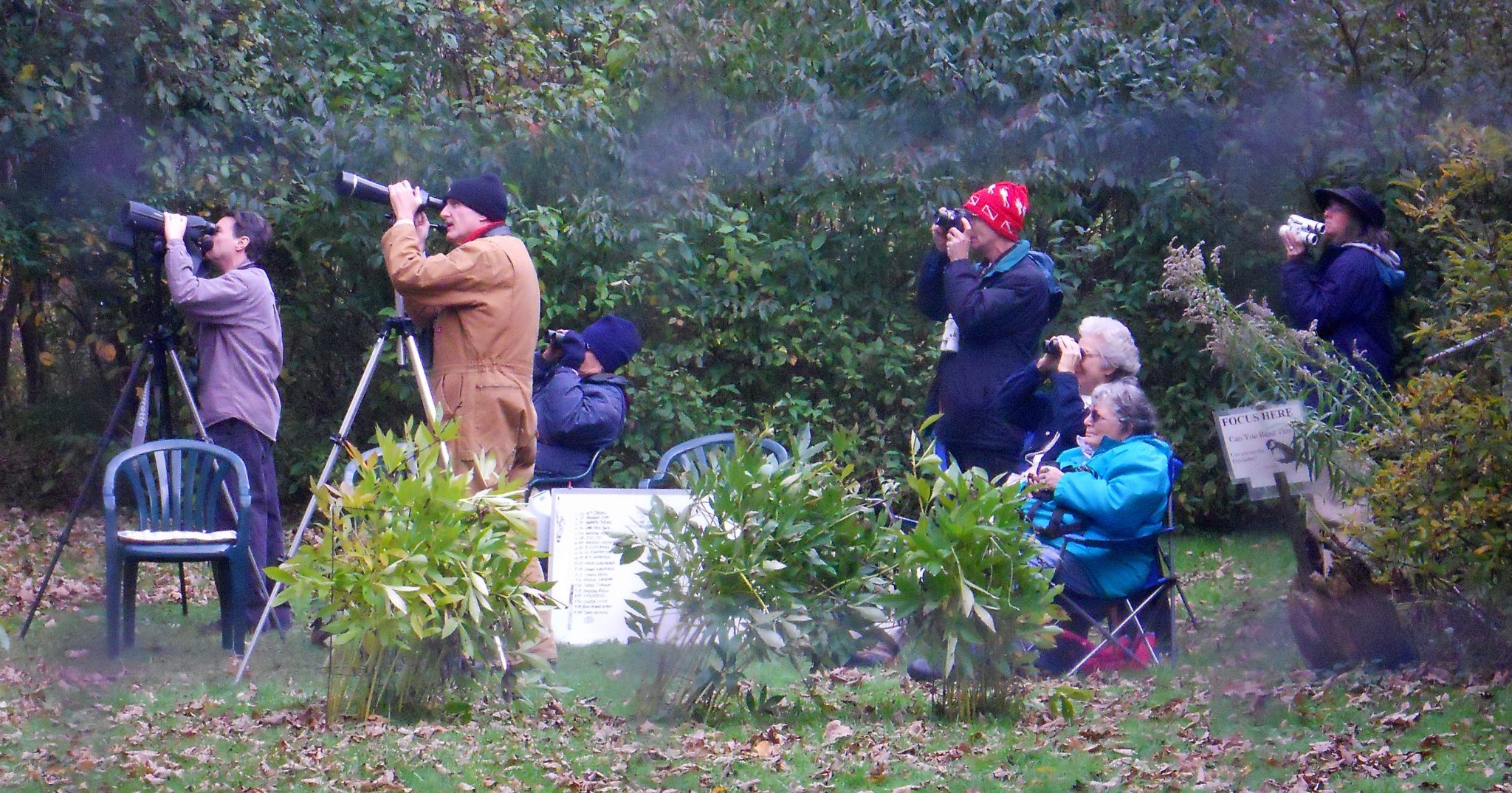
All birders (current, experienced, newbie and would-be!) are welcome! Join our monthly monitoring walk outdoors on the Museum’s trails in forest and meadow.
Most fun for adults, older children. Please bring your own binoculars, and dress for the weather. Tick repellent and water bottles are recommended.
The museum was fortunate to have been missed by the flooding this year. The brook below the museum rose, and there’s signs of erosion on trails, but we escaped the damage that our fellow Vermonters are working through. We hope you also have been free from floods, and if not, that you have the help and support you need.
We can offer a refuge if you need to come and take a break: visit, sit, watch birds, walk trails… We thank the Vermont Community Foundation for their support of non-profits, flood survivors, and more.
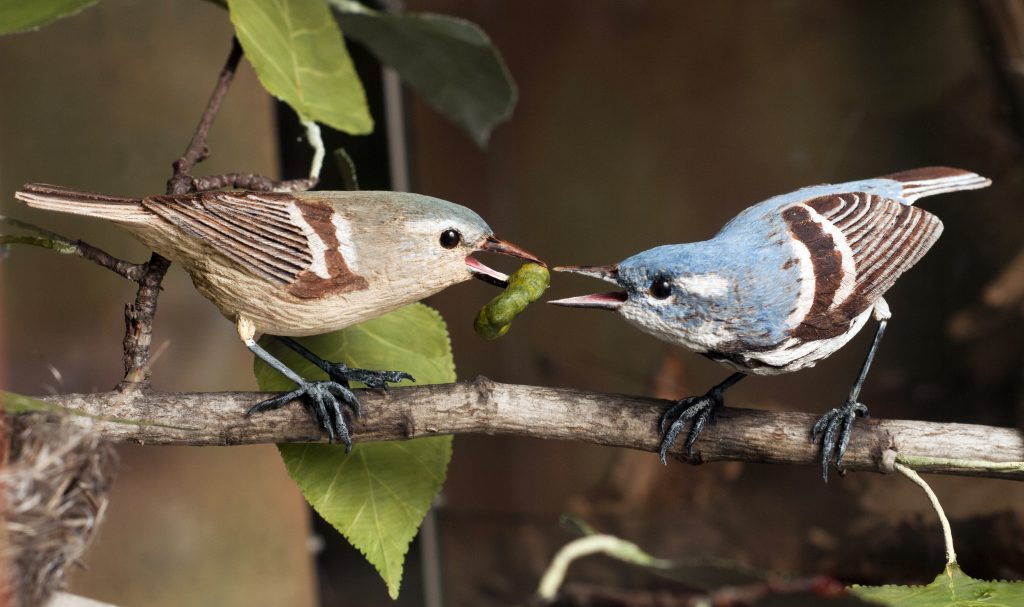
Male Cerulean Warbler’s offering of food being accepted by female. Birds carved by Bob Spear at the Birds of Vermont Museum, Huntington, Vermont. Photograph copyright Caleb Kenna and used by permission.
The most relaxed birding around. And around and around …
How many birds (and birdwatchers) can we identify from a 17-foot diameter circle between sunrise and sunset? Can we beat last year’s record? We’ve seen birds big and small, in night and day: from Kinglets to Great Blue Herons, Barred Owls to Turkey Vultures.
This is a great long-running community science project. Pledges and donations welcome:
We are observing from Dawn to Dusk. The Museum is open from 10am – 4pm.
Call or email to ask about joining the observation team.
All birders (current, experienced, newbie and would-be!) are welcome! Attend our monthly monitoring walk outdoors on the Museum’s trails in forest and meadow.
Most fun for adults, older children. Please bring your own binoculars, and dress for the weather. Tick repellent and water bottles are recommended.
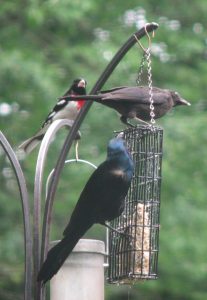
Adult Common Grackle tends its juvenile while a Rose-breasted Grosbeak looks on.
Sadly, yes, we are missing the May list. Somehow we managed to neither transcribe nor photograph the list before wiping the board for June. It was amazing, but you don’t have to trust my word for it. Check out the eBird checklists for the May walks.
But time flows on and the birds do their things, so here’s the …
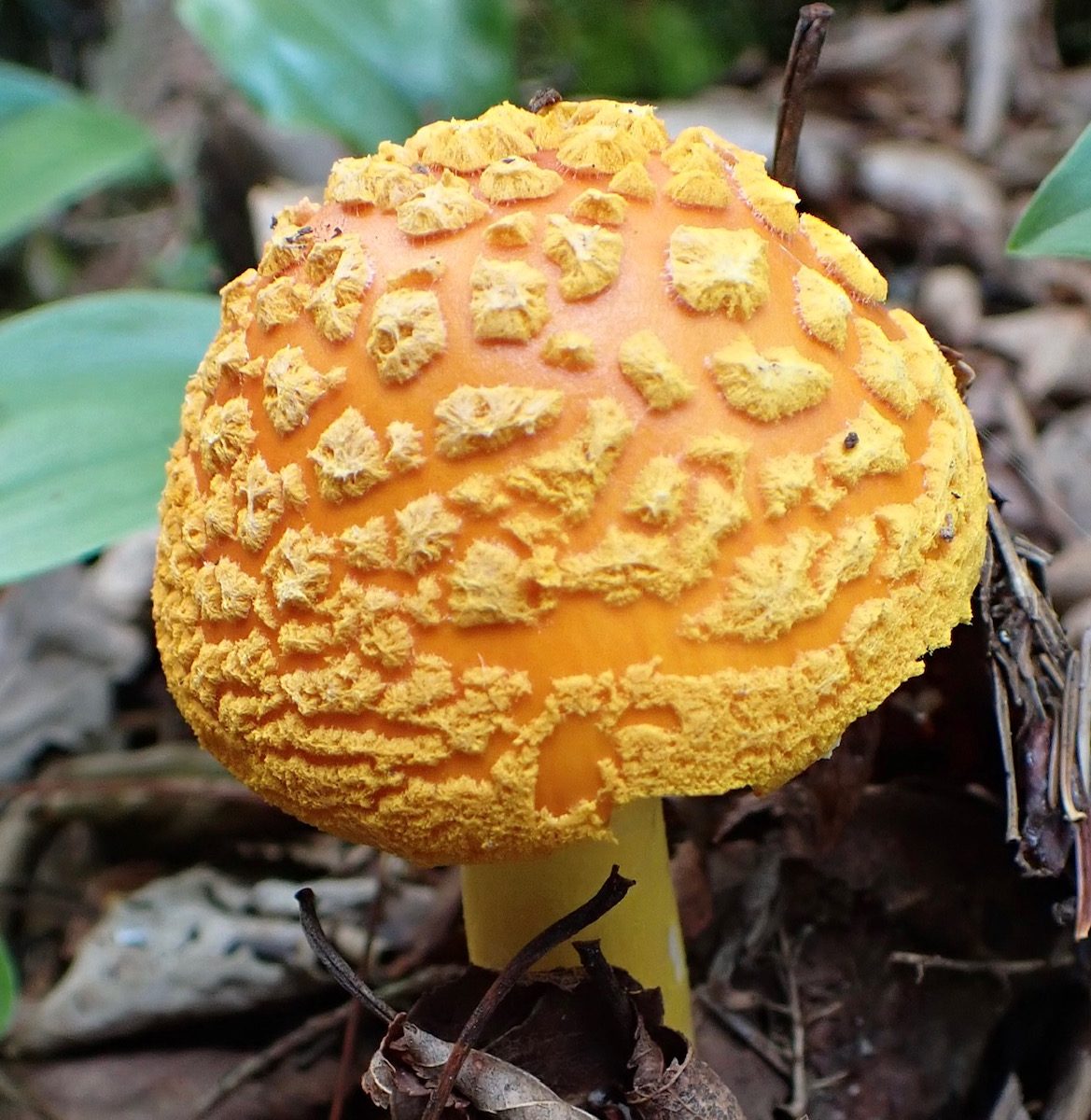
Explore for fungi! Talk with an naturalist! Receive a signed copy of Meg’s new book!
We’ll begin with a late afternoon walk around the Museum’s property, led by writer-naturalist and myco-influencer Meg Madden.
Wear comfortable walking shoes, weather-appropriate clothing, and bring your questions and curiosity! A smartphone equipped with the iNaturalist app is a plus, but not required.
At the close of the stroll, we’ll gather in the museum; each attendee will also receive a copy of Meg’s new book, This is a Book for People Who Love Mushrooms.
$45 for the walk, talk and signed copy — only $35 for Museum members! Registration includes a copy of Meg’s book!
Max: 20 participants.
You can see some of Meg’s photos on Instagram at @MegMaddenDesign.
More Details:
Ever wondered about the mysterious mushrooms that share the forest with us? Are you fungi-curious? Do you see interesting mushrooms in your travels and wish you knew more about these fascinating organisms?
On this walk we will explore the woods and learn about the mushrooms we find along the way including what they are, how to identify them, and the essential roles that these fungi play in forest ecology. We will also discuss the importance of community science and learn tips and tricks for taking mushroom photos.
Meg Madden leads an exploration on the Museum’s trails: to seek, to find, and to understand the fungi that live in and on our corner of the wood-wide web.
Note: this is NOT a foraging program.
About Meg Madden
Fungi educator, author, and professional photographer, Meg Madden can often be found in the forests of her childhood practicing what she calls “mushroom yoga” — laying on the ground, standing on her head, or balancing precariously on a log — to capture the perfect snail’s-eye view of her favorite photo subject: Fungi! Her colorful, highly detailed mushroom portraits offer an intimate look into the often-overlooked world of these extraordinary organisms.
Inspired by the belief that people are more likely to take care of something they love, she finds great joy in facilitating fun and meaningful connections between humans and nature. Meg shares her knowledge and contagious passion for the fantastic world of fungi through visually engaging presentations, mushroom walks, and via her Instagram gallery @megmaddendesign. An advocate for fungal diversity and community science, Meg teaches iNaturalist classes, organizes educational workshops and Bioblitzes, and is compiling an Atlas Of Fungi for the state of Vermont.
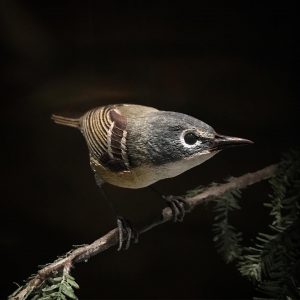
Blue-headed Vireos are returning to Vermont. This carving was done by Bob Spear in the mid 1990s.
Funny thing about our April bird list: two common species were not recorded (and one somewhat less frequently seen at from the viewing window, but definitely around). Does that mean they weren’t seen (and if so, where were they)? Or did they really busy themselves elsewhere in the woods?
All birders (current, experienced, newbie and would-be!) are welcome! Attend our monthly monitoring walk outdoors on the Museum’s trails in forest and meadow.
Most fun for adults, older children. Please bring your own binoculars, and dress for the weather. Tick repellent and water bottles are recommended.
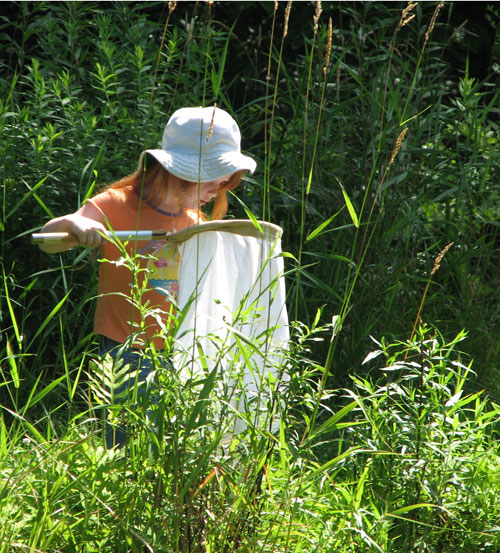
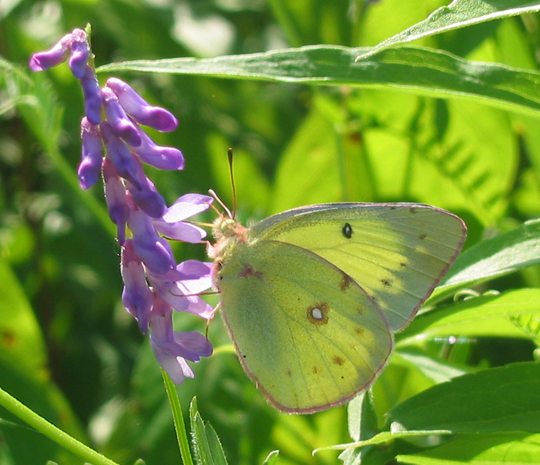
Experience Vermont’s butterflies and other insects up close!
Join Vermont Entomological Society naturalists and entomologists for an exploratory stroll on the Birds of Vermont Museum grounds.
Bring binoculars, magnifying glasses, and an insect net if you have one. Pack a lunch if you would like to picnic after the walk. Do bring your water bottle and dress for outdoors.
Free, suggested donation : $5-$10
(Pre-registration is helpful but not required.) Max: 20 people • Masks recommended when indoors.
If it is raining on the day of the walk, please call the Museum (802 434-2167) to see if we have rescheduled; rain date is Sunday, July 9).
Terrific for anyone interested in Vermont’s six-legged creatures.
Check out the Vermont Entomological Society site https://www.vermontinsects.org/ — gorgeous photos and information about the Society.