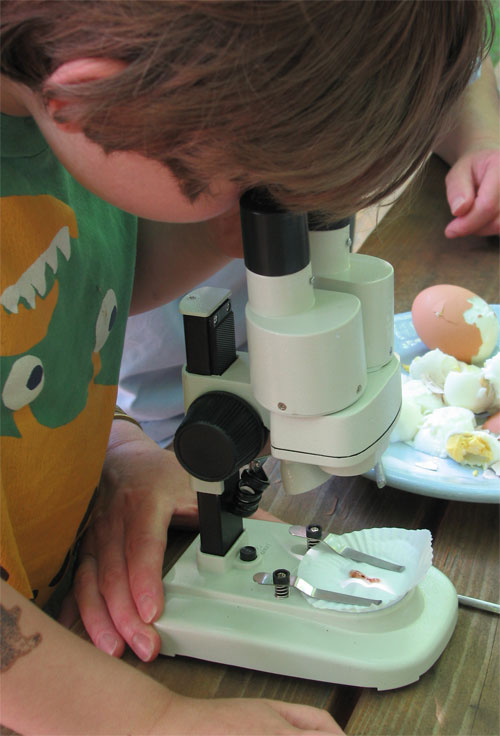
Why do birds layeggs? How do birdeggscompare and contrast witheggsof other animals? Birds, amphibians, reptiles, insects, and fish all produce eggs!
Explore different conditions and challengeseggsmust overcome. Discover adaptations that promoteeggsurvival. They are amazing structures with multiple functions! Why do they look and work as they do?
Create your own egg to take home.
Ages 6-10 • 8 participants
Fee: $15–$35 (choose what is best for you)
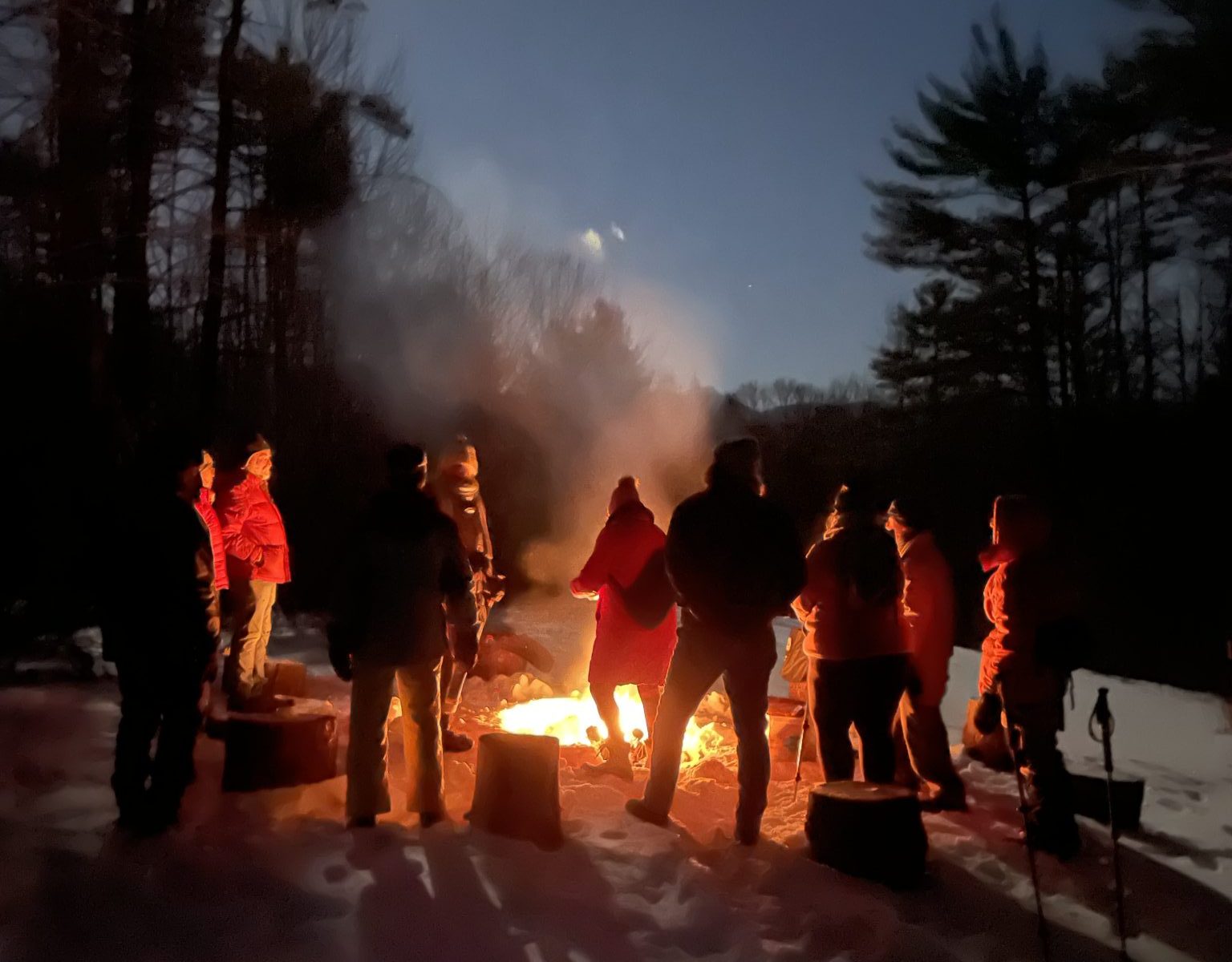
Enjoy a winter evening at Gale’s Retreat, off Bob’s Trail. Learn about Vermont Huts, nature at night, and more. Please dress for chilly nighttime, winter weather.
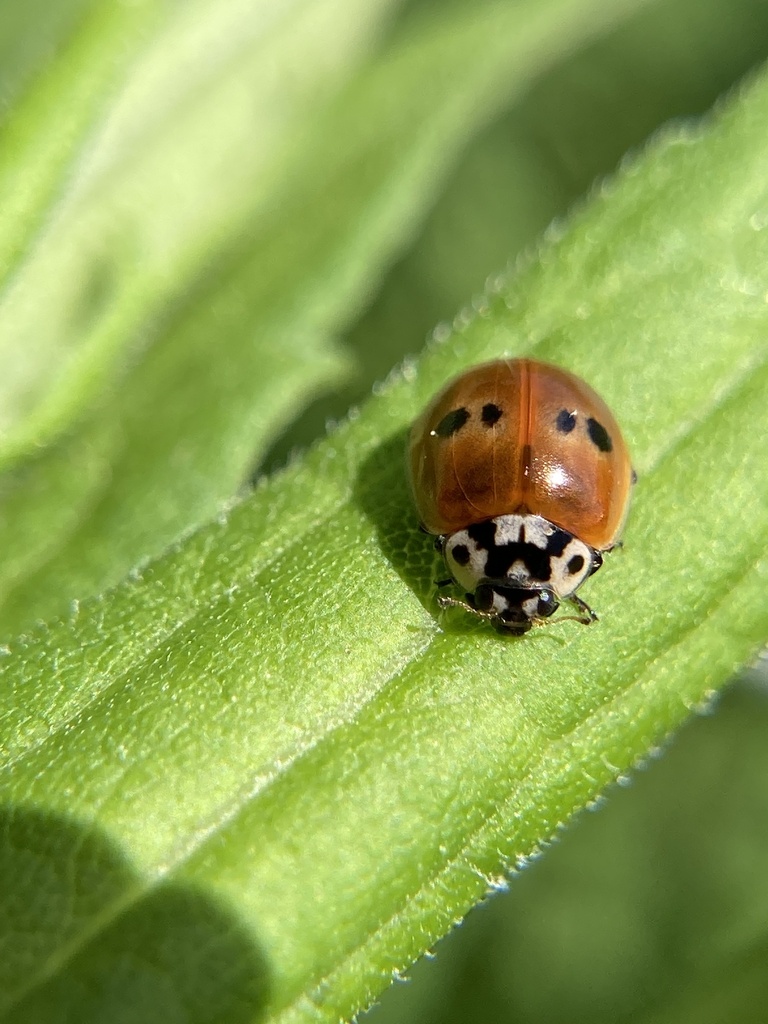
Beetles (Order: Coleoptera) are a fascinating yet vastly understudied taxonomic group. In Vermont alone, there are over 1,000 different species! Some groups provide important roles as pollinators, biological controls, decomposers, and more. Other beetles, such as the invasive Emerald Ash Borer (Agrilus planipennis) threaten the health of our ecosystems.
Join us to learn about the ecology and identification of different groups of beetles found in Vermont.
In this two hour workshop, we will spend about 45 minutes focusing on a few families, genera, and species of note. For the remaining hour and 15 minutes, we will go outside and search for beetles around the Birds of Vermont museum, identifying as we go.
Additionally, Julia volunteers in a number of roles for Sosyete pou Rebwaze Duchity Haiti (SRDH) – a community-based reforestation and agroforestry organization operating in Duchity, Haiti. In their spare time, Julia enjoys painting, spending time with their birds, hiking, and (of course) searching for insects.
Images provided by Julie Pupko of Vermont Center for Ecostudies.
The most relaxed birding around. And around and around …
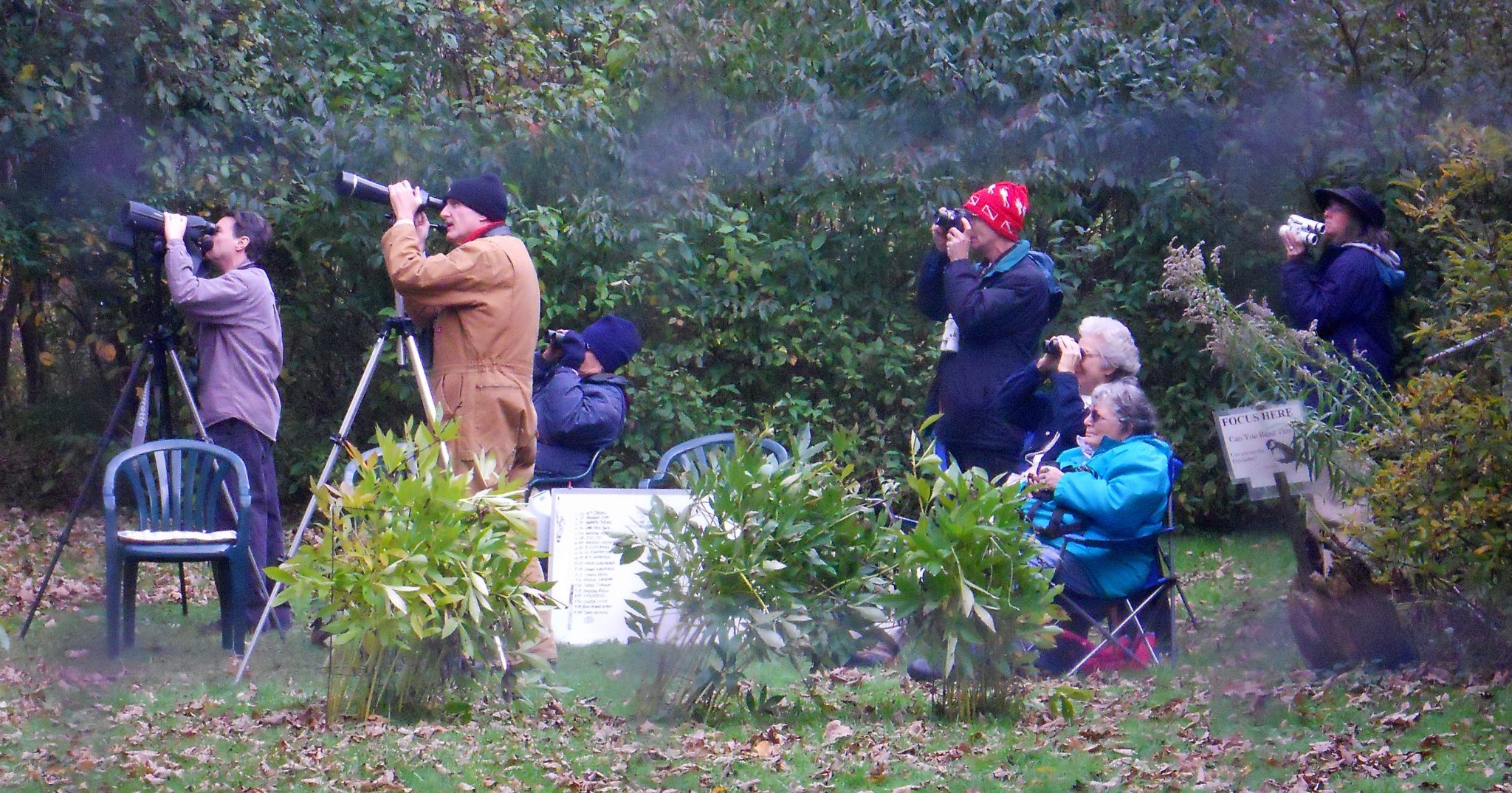
How many birds (and birdwatchers) can we identify from a 17-foot diameter circle between sunrise and sunset? Can we beat last year’s record? We’ve seen birds big and small, in night and day: from Kinglets to Great Blue Herons, Barred Owls to Turkey Vultures.
This is a great long-running community science project. Pledges and donations welcome:
We are observing from Dawn to Dusk. The Museum is open from 10am – 4pm.
Call or email to ask about joining the observation team.
Summer is in full swing around here! every day we fill and watch the feeders, learning new bird identifications, or watching behavior subtleties in birds species we know .It’s amazing to start to pick up on tiny differences in the bibs of Rose-breasted Grosbeaks, or behaviors of one Blue Jay and another.
Great Crested Flycatcher on office window netting, May 2019We started off our opening month with fantastic birds and birders and bird walks.! Even some surprising observations, like this one:
It seems to be nesting nearby, as it has returned to the window several times—for nesting material? Territory? Foraging? We don’t know yet…
As for other May birds, seen by more people through the bigger window: read on!
We hope you are enjoying the turning of the year, by light and by calendar. We often find winter refreshing, an opportunity for useful reflection and a chance to plan and prepare.
Holy mackerel, May is intense! Not to detract from our month-long-we-all-add-to-it Viewing Window list, but did you get to see the eBird lists too, from what has been seen and heard here? Did you see or hear some of the rich migrations? Enjoyed the predictions on Birdcast? What a month!



![[Great Crested Flycatcher on office window netting. May 2019]](https://cpanel3.neonova.net/~wwwbirdsofvt/wpsite2017/wp-content/uploads/2019/06/Great-crested-flycatcher-office-window-kjt-May2109-e1560095402160-188x300.jpg)

