The most relaxed birding around. And around and around …
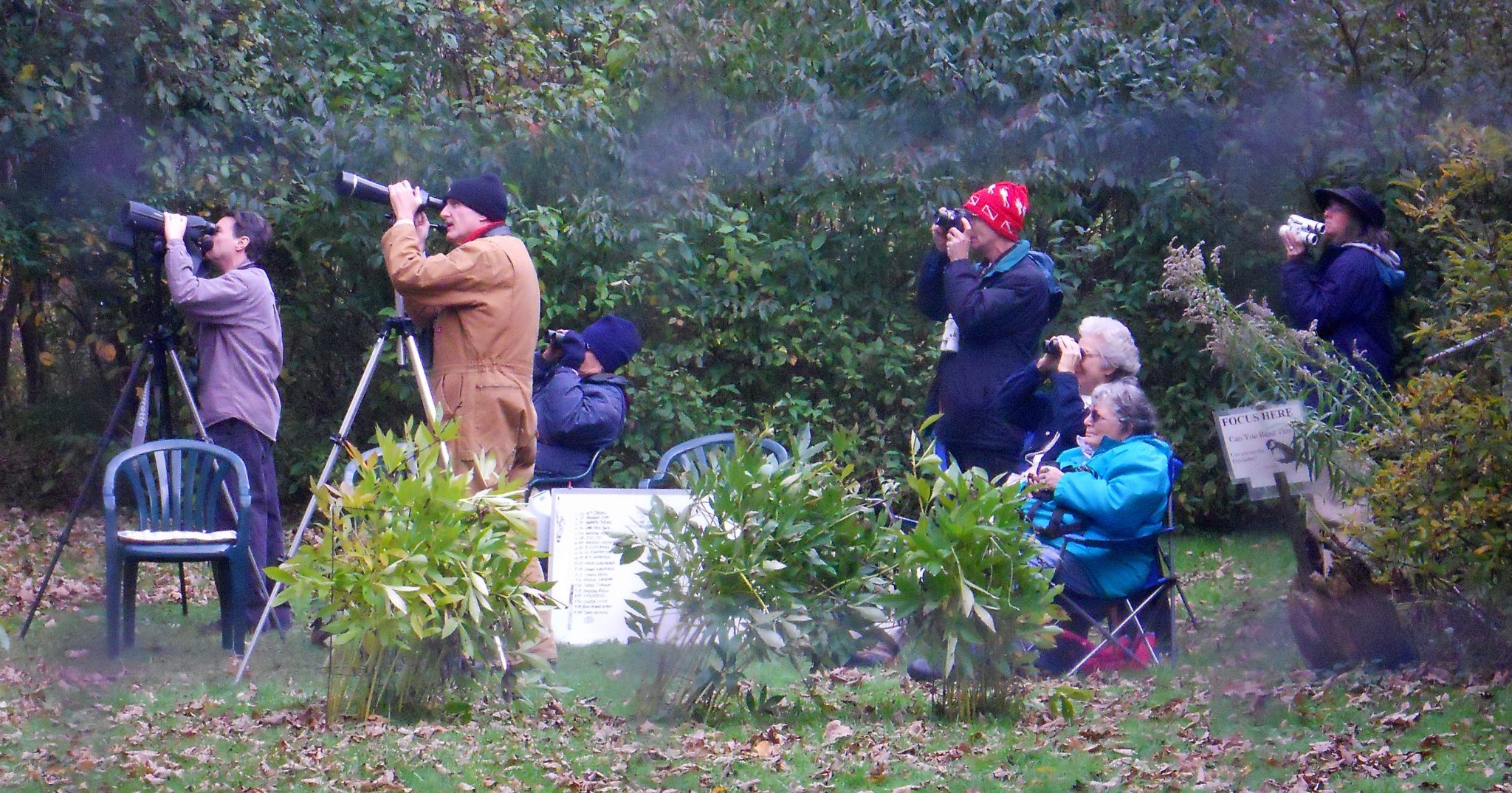
How many birds (and birdwatchers) can we identify from a 17-foot diameter circle between sunrise and sunset? Can we beat last year’s record? We’ve seen birds big and small, in night and day: from Kinglets to Great Blue Herons, Barred Owls to Turkey Vultures.
This is a great long-running community science project. Pledges and donations welcome:
We are observing from Dawn to Dusk. The Museum is open from 10am – 4pm.
Call or email to ask about joining the observation team.
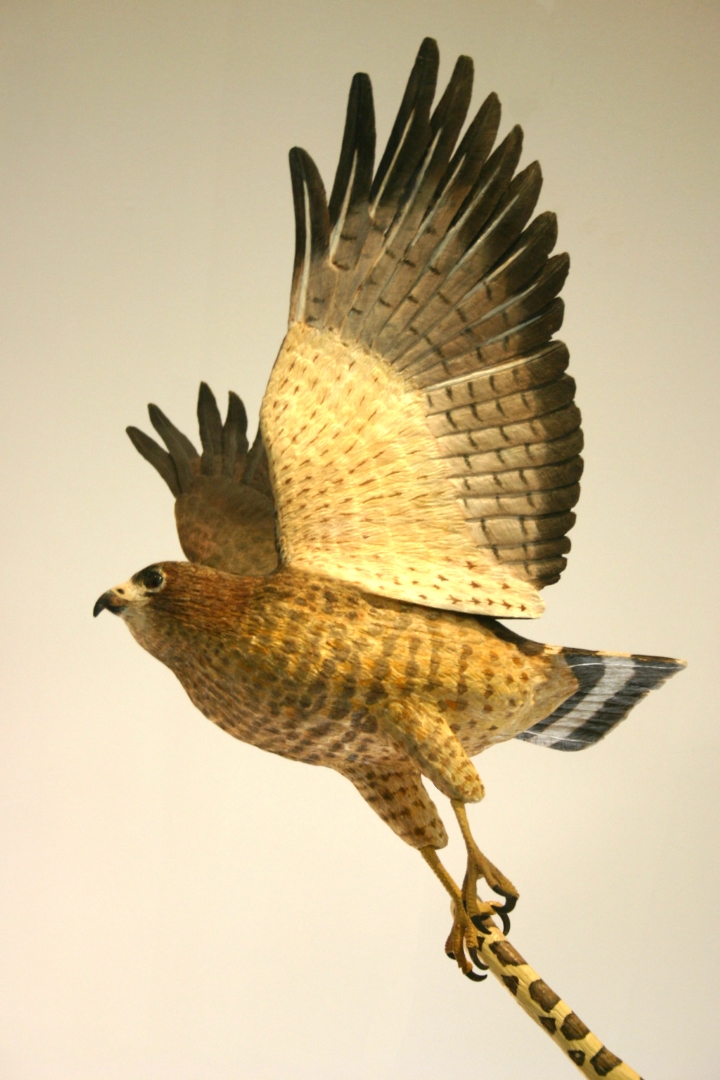
July is a month of rich growth: baby birds grow rapidly! By the time we see most of them, they are often nearly adults. It’s a amazing how some come into adult plumage patterns, while others spend a season or even years in juvenile colors (looking at you, id-resistant young hawks).
May is such a bursting month! Birds, birds, buds, buds. We’ve held our regular monthly monitoring walk, and our weekly Early Birder Morning walks, and of course been amazed but what we see and hear. Next year, we might hold the first two Early Birder walks at 7:30 or 8 am (it can be a little slow and chilly at 7); let us know what you think about that!
The museum is closed on July 4th. we all hope you have a terrific day. May it be full of community and celebration, freedom, and unity.
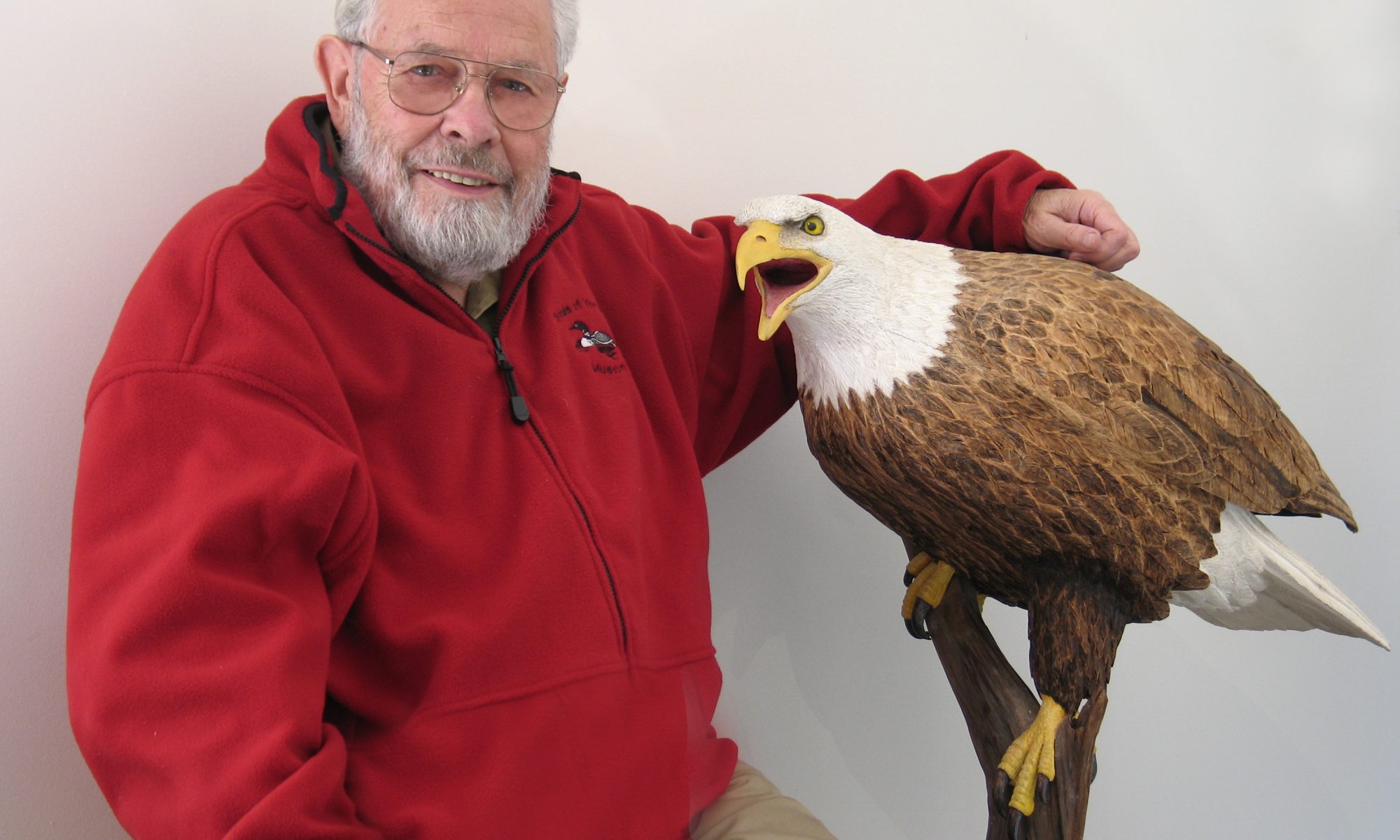
Image: Bob Spear and the Bald Eagle he carved and painted. (Fun fact: that brown isn’t paint: it’s that color thanks to Bob’s skill with woodburning tools!). Photo from 2005.
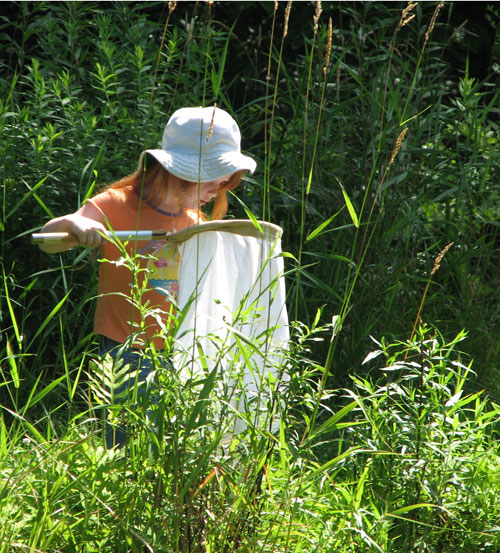
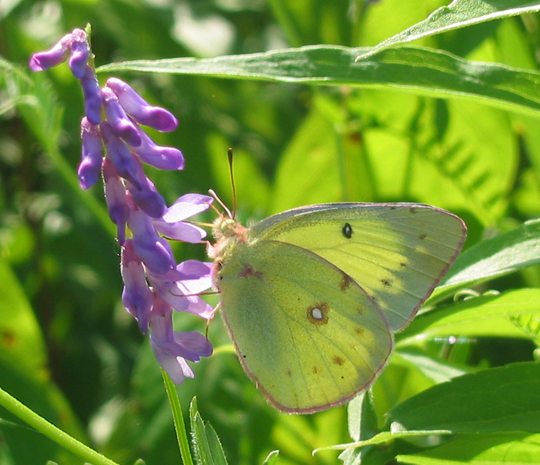
Beetles! Butterflies! And so much more! Join Vermont Entomological Society naturalists and entomologists for an exploratory stroll on the Birds of Vermont Museum grounds.
Bring magnifying glasses, and an insect net if you have one. Binoculars can be helpful. Do bring your water bottle and dress for outdoors. Pack a lunch if you would like to picnic after the walk.
Free, suggested donation : $5-$10
Register (optional) by calling the museum at 802 434-2167. Max: 20 people Outdoors
If it is raining on the day of the walk, please call the Museum (802 434-2167) to see if we have rescheduled; rain date is Sunday, July 12).
Terrific for anyone interested in Vermont’s six-legged creatures.
Check out the Vermont Entomological Society site https://www.vermontinsects.org/ — gorgeous photos and information about the Society.
April can a be a bit of a slog for some of us (mud… warm … cold … more mud), but we have the treat of early migrants and brightening feathers and spring blooms!
We had a relatively cold stretch of weather this January, which can lead to extra activity at the feeders. Perhaps that explains the one unusual sighting?